
 Software Development
 Security Services
 Cloud Services
 AI Services
 Other Services












 TechMagic Academy


Healthcare AI Agent Development: A Complete 2026 Guide
How agentic AI healthcare solutions automate clinical workflows, reduce administrative burden, and what it takes to build them safely and compliantly.
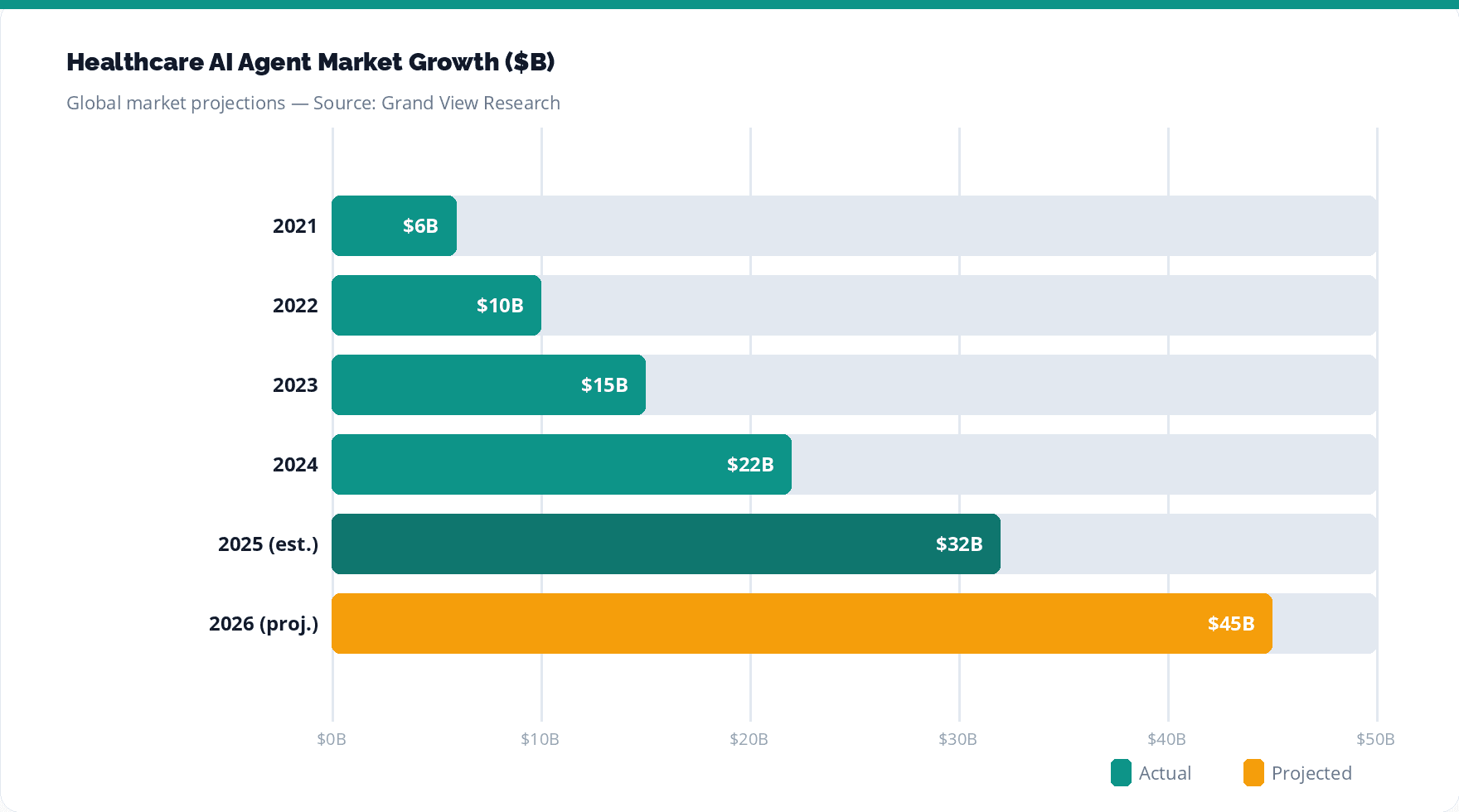
$45B
projected healthcare AI market size by 2026
Grand View Research
73%
of health systems plan AI agent deployment within 2 years
Accenture Health Survey
40%
reduction in prior auth processing time with agentic AI
KLAS Research
AI agents are no longer a research concept for healthcare. Health systems are deploying healthcare AI agent development capabilities today — for prior authorization, clinical documentation, patient triage, and care coordination. The question is no longer whether to build agentic AI healthcare solutions, but how to build them safely, compliantly, and in a way that actually integrates with the clinical environment. This guide covers everything a CTO, clinical informatics lead, or product team needs to know: from architecture patterns and HIPAA obligations, to proven use cases and a realistic delivery timeline.
1. What Is a Healthcare AI Agent?
A healthcare AI agent is an autonomous software system that perceives inputs — clinical data, EHR records, messages, lab results — reasons about them using large language models or specialised ML models, and takes actions with minimal or no human intervention per step.
Unlike a traditional chatbot that responds to a single query, an agentic AI system maintains goals across multi-step workflows. It can detect an abnormal lab result, look up the patient’s care plan, draft a message to the attending physician, log the action, and escalate if there’s no response — all without a human triggering each step.
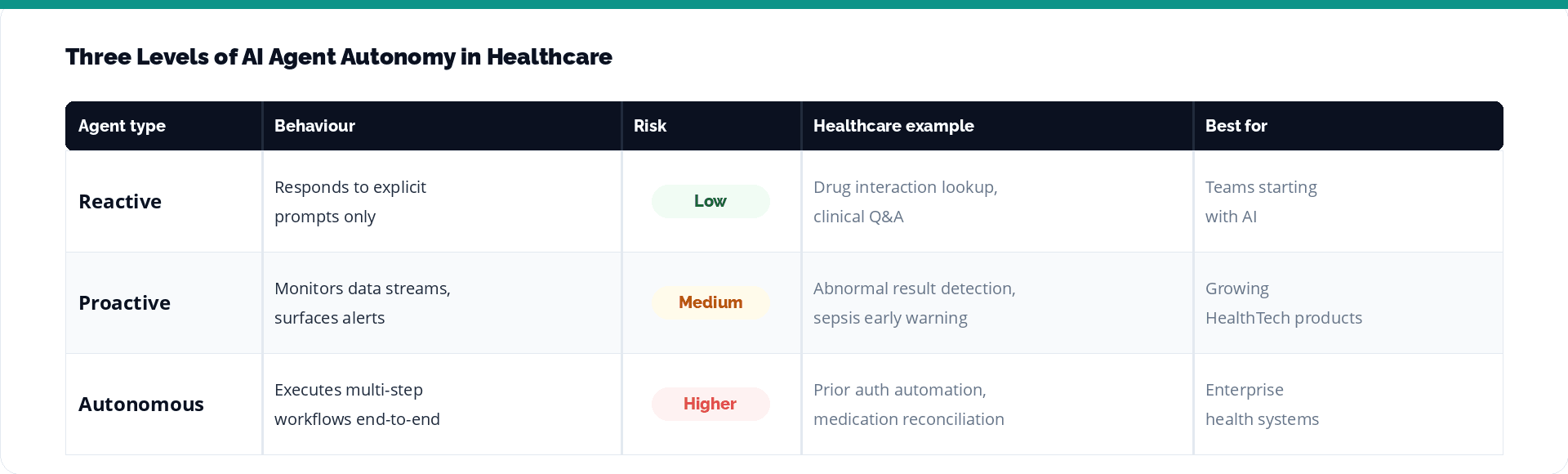
Most healthcare organisations start with reactive agents and progressively expand toward autonomous patterns as trust is established and compliance guardrails are validated.
Healthcare AI agent market growth ($B), 2021–2026
Global market projections — Source: Grand View Research






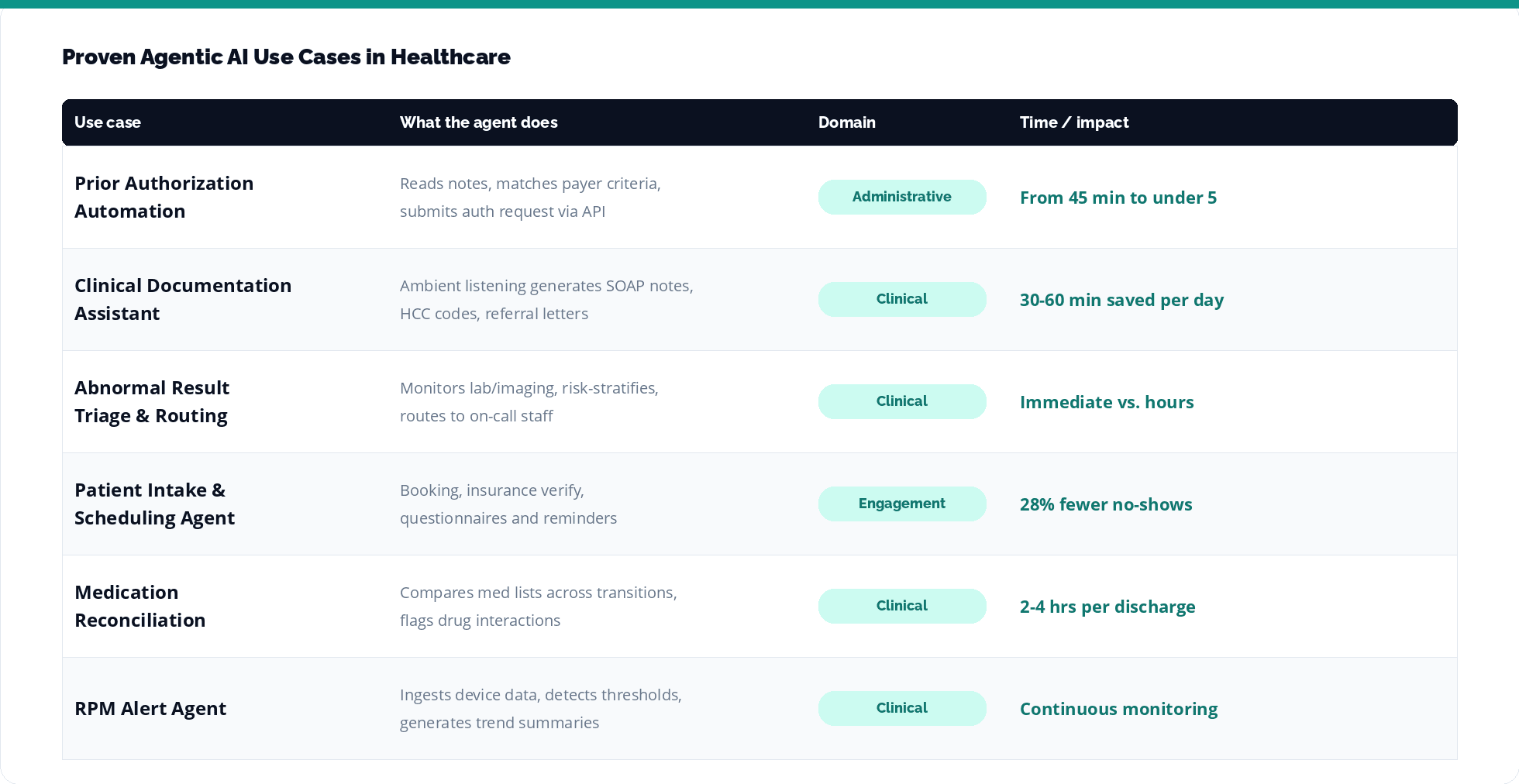
We build these workflows into your existing EHR and clinical systems
TechMagic has delivered agentic AI features for telehealth platforms, RPM systems, and EHR-connected workflows — with HIPAA-aware architecture and HL7/FHIR integrations built in from day one.
3. Architecture of a Healthcare AI Agent
A well-architected healthcare agent has four mandatory layers:
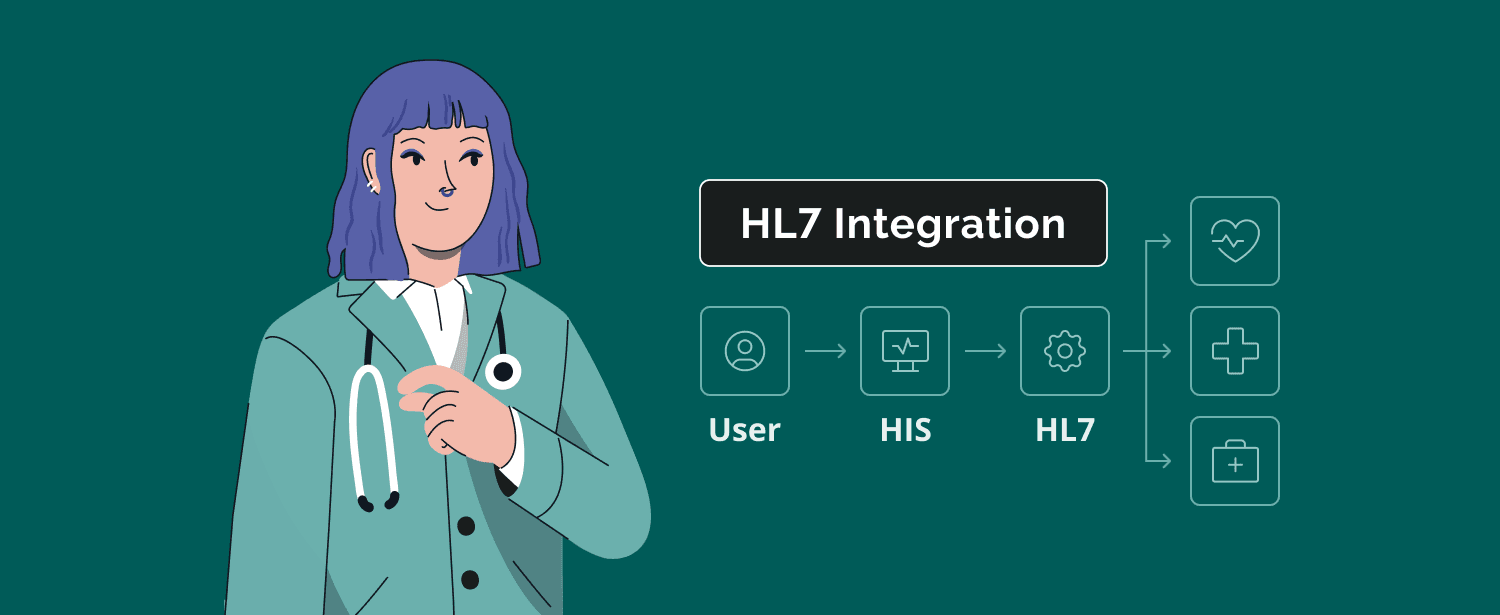
FHIR R4/R5 APIs, HL7 v2 parsers, device data streams (MQTT, REST), and document ingestion pipelines. PHI must be tokenised or de-identified before leaving this layer unless the downstream system holds a valid BAA.
LLM or multi-model orchestrator (LangGraph, AutoGen, or custom frameworks) with clinical knowledge grounding, tool-use capabilities, and explicit guardrail enforcement. This is where the agent reasons and plans.
Structured outputs written back to EHR via SMART on FHIR, HIPAA-compliant notification dispatch, workflow state management, and audit logging — every action recorded with immutable timestamps.
Model drift detection, hallucination rate monitoring, access pattern anomaly detection, and a human-in-the-loop override system for high-risk decisions. Non-negotiable in regulated environments.
“The biggest mistake healthcare teams make is treating the AI agent as a product feature rather than a system component. It needs to be as observable, testable, and auditable as any other critical system in your stack.”
AI Expert & Senior Web Developer, TechMagic
The PHI pipeline problem
General-purpose LLM APIs cannot receive raw PHI unless you have a Business Associate Agreement (BAA) with the provider. Your architecture must either:
- De-identify or pseudonymise data before it reaches the model, and re-identify outputs after
- Use a BAA-covered LLM deployment (Azure OpenAI with BAA, AWS Bedrock with BAA, or self-hosted on HIPAA-compliant infrastructure)
- Combine both approaches for different agent steps depending on PHI sensitivity level
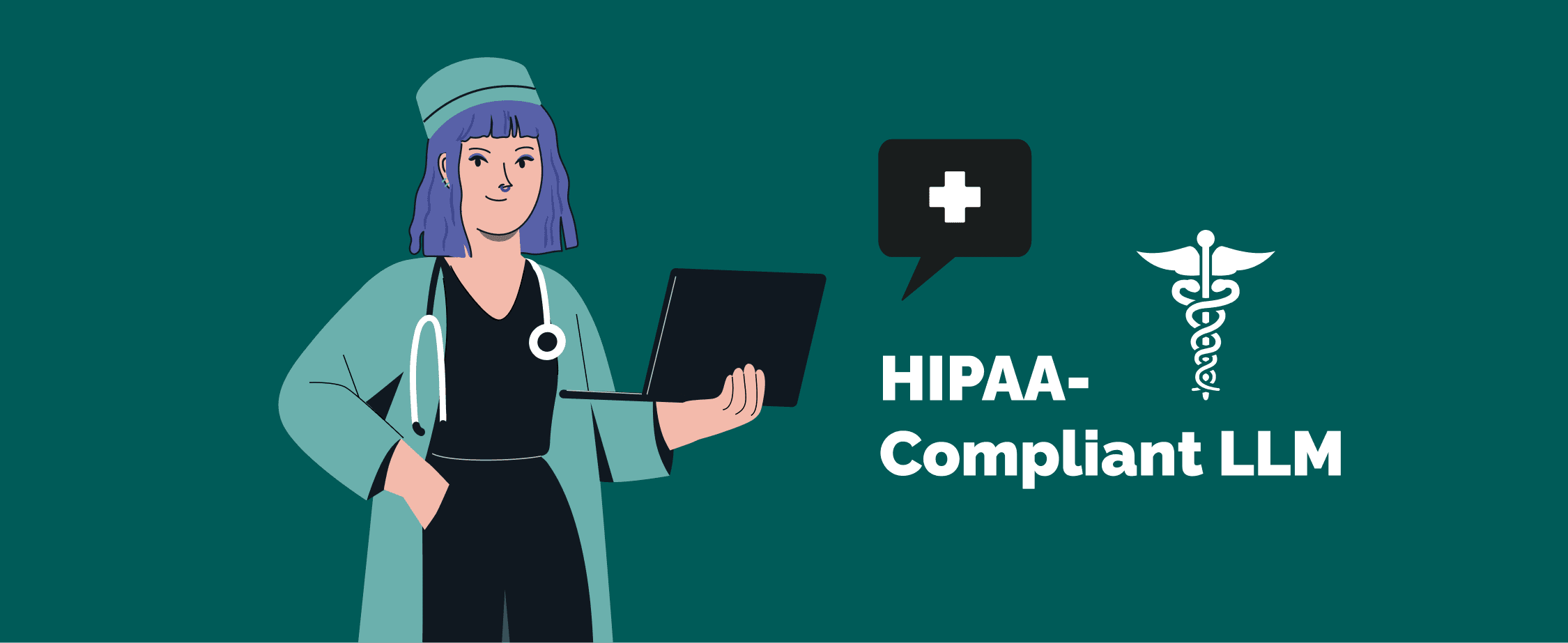
HIPAA-ready AI engineering and healthcare cybersecurity
Our CREST-accredited security engineers have designed PHI-safe LLM pipelines for multiple healthcare clients.
We provide complete procurement documentation: BAA availability, security policy packs, pen test summaries, and vendor questionnaire support.
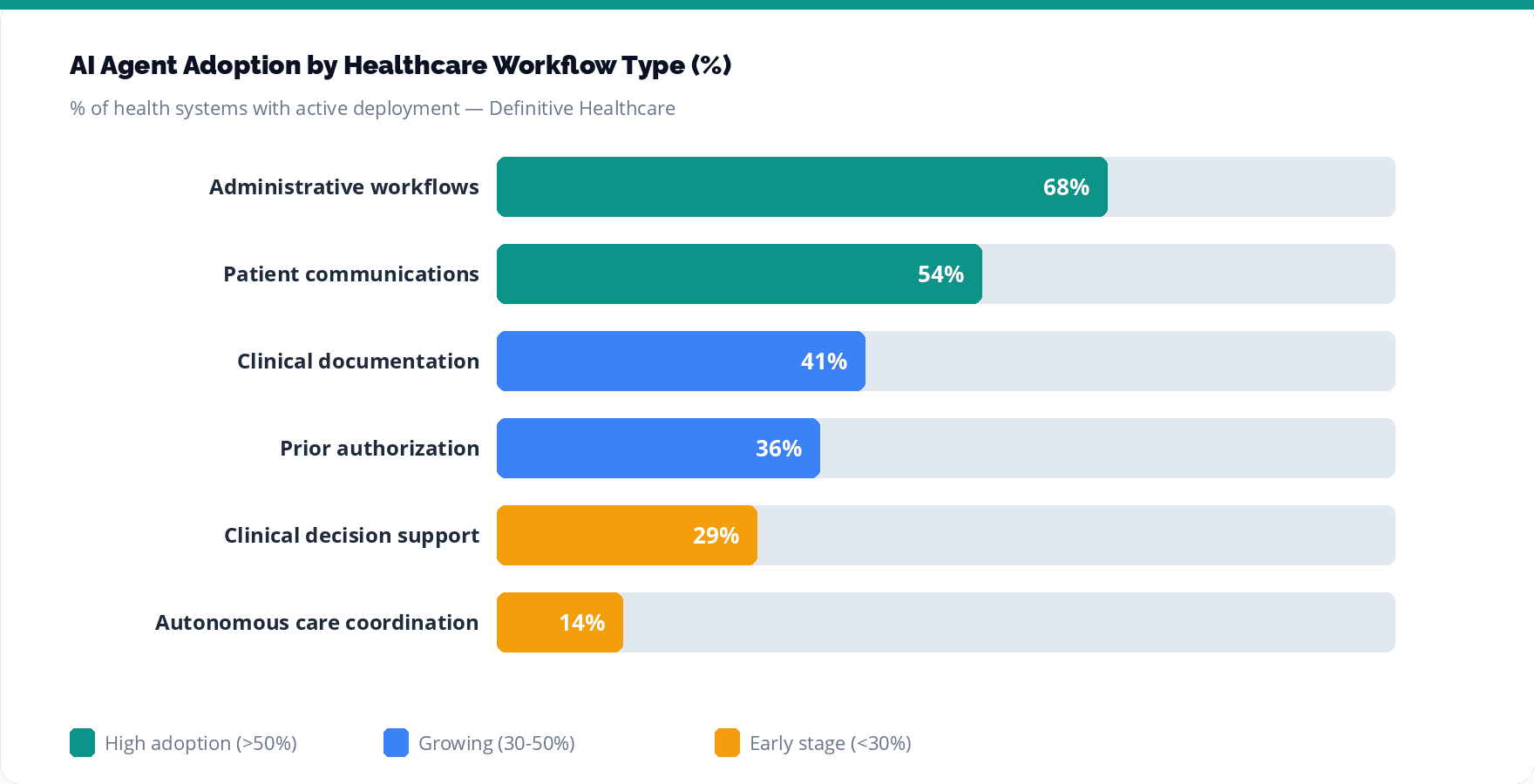
5. The Healthcare AI Agent Market: Key Data
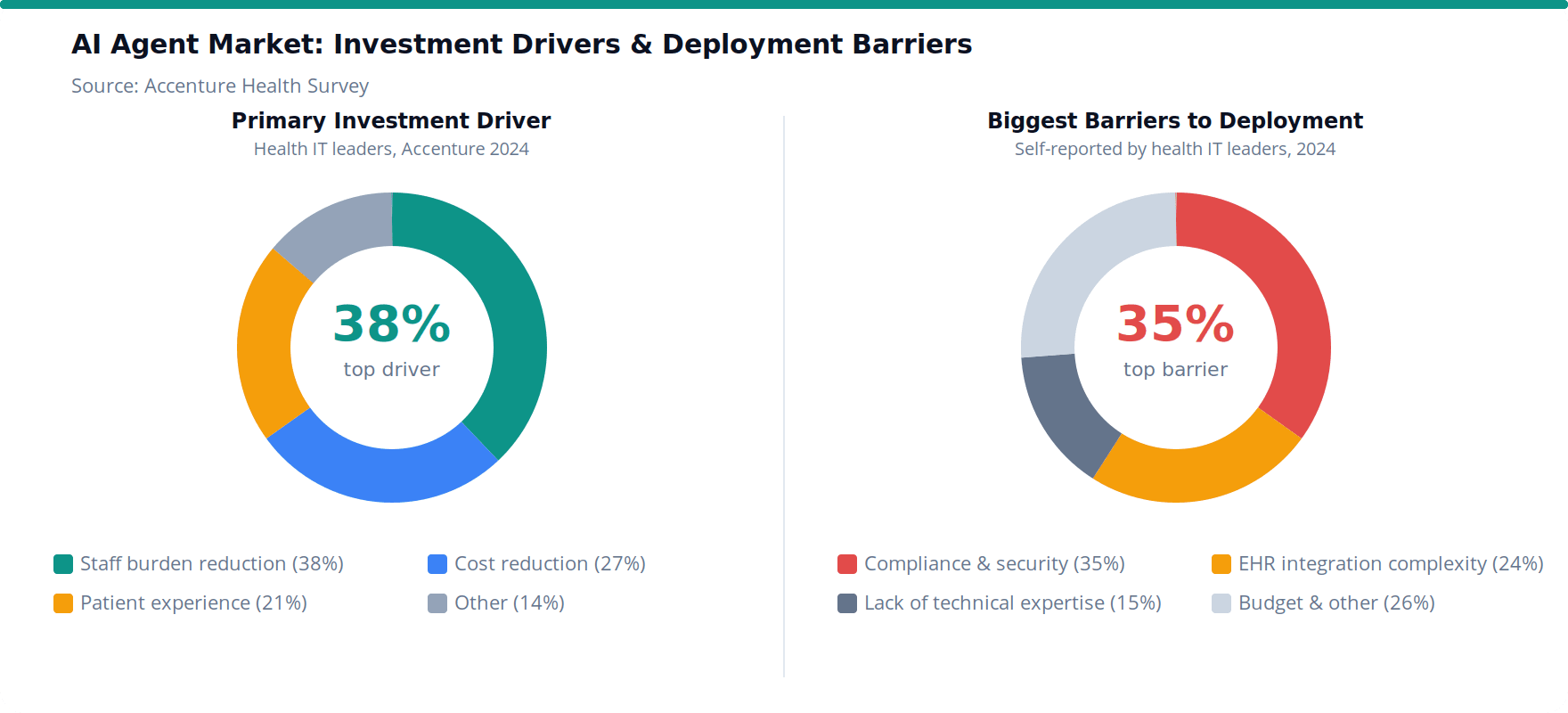
$8.3B
potential annual savings in US healthcare from AI automation
28%
reduction in patient no-shows with AI scheduling agents
2–4 mo
typical time-to-production with a specialist partner
6. Build vs. Buy vs. Partner
Most health systems face a three-way choice when pursuing healthcare AI agent development. Each path has very different timelines, risk profiles, and long-term cost structures.
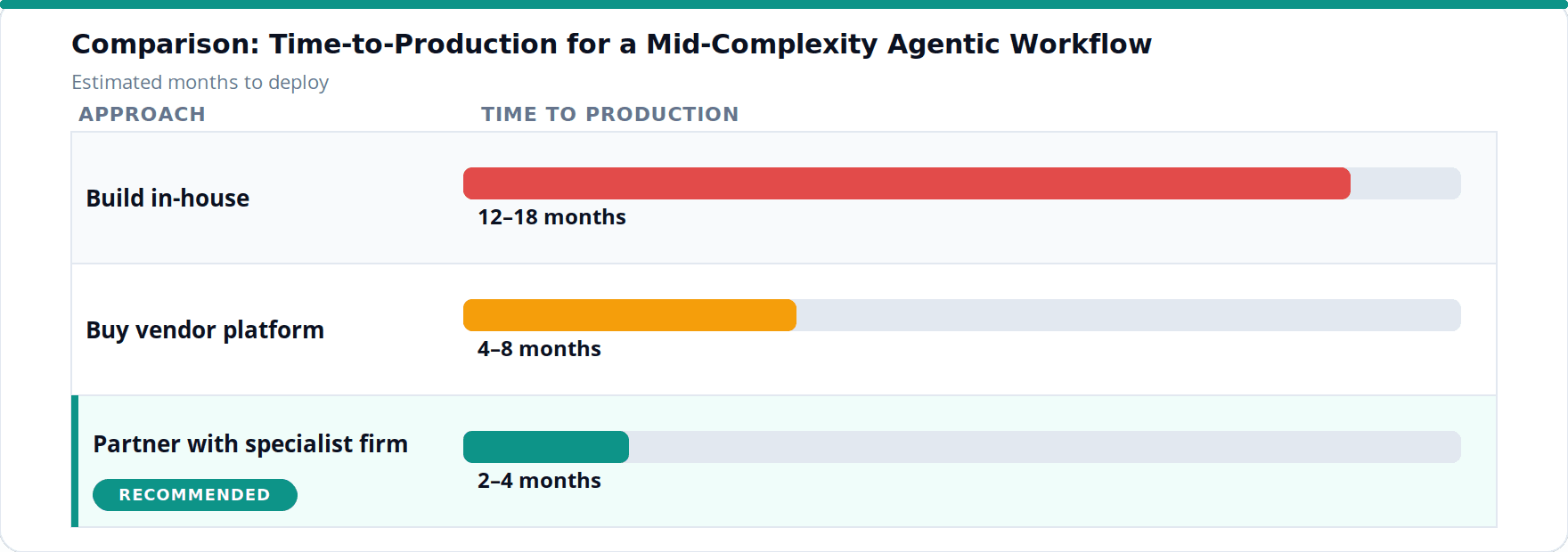
The partner path is fastest to production because specialist firms bring pre-built HIPAA-compliant infrastructure templates, EHR integration patterns, and clinical workflow expertise that would take an in-house team 12+ months to accumulate. The key is choosing a partner who guarantees full codebase ownership and documentation handover.
7. TechMagic’s Delivery Framework
Over four years, our team has delivered AI-powered features and full agentic workflows for healthcare clients at different stages — from HealthTech startups building their first HIPAA-compliant MVP to enterprise health systems modernising legacy clinical workflows.
Map the target workflow, identify PHI touchpoints, determine regulatory classification (HIPAA, FDA SaMD), and define human-in-the-loop boundaries. Output: compliance assumptions doc + technical architecture outline.
Select the LLM deployment model, design the de-identification flow, and validate against the HIPAA minimum necessary standard. Build the core agent loop with EHR integration, tool definitions, guardrail layer, and basic audit logging.
Define evaluation metrics (task completion rate, hallucination rate, escalation frequency), set up MLOps monitoring, and implement the human-override system. Ongoing red-teaming against adversarial inputs.
Staged rollout with clinician feedback loops, complete documentation of agent behaviours and edge cases, runbook handover, and optional ongoing support SLA. You own the codebase.
8. Our Healthcare AI Engineering Team
Every healthcare AI agent project is led by senior engineers with direct experience in clinical environments, not generalist consultants learning as they go.

Alexandr Pihtovnicov
As Delivery Director at TechMagic, Alexander Pihtovnikov leads digital transformation initiatives in healthcare. With extensive experience in HealthTech, he specializes in building innovative, scalable, and regulation-compliant health solutions. His expertise ensures seamless project execution, aligning technology with industry needs to drive operational efficiency and improve patient care.

Anton Lukianchenko
Anton Lukianchenko is a recognized AI advocate, senior web developer, and key Center of Excellence (CoE) member. With a strong background in AI-driven solutions, he coaches teams and speaks at industry events to drive advancements in AI applications for healthcare. His expertise helps healthcare organizations leverage AI for automation, predictive analytics, and improved decision-making.

Ihor Sasovets
Ihor Sasovets is a certified security specialist with deep expertise in penetration testing, automated security testing, and cloud and mobile security. As a contributor to the OWASP API Security Top 10:2019 and an OWASP member since 2018, he has profound knowledge of healthcare cybersecurity. Ihor's role ensures that all healthcare IT solutions are built with robust security practices to protect sensitive patient data from cyber threats.
Alexandr Pihtovnicov
As Delivery Director at TechMagic, Alexander Pihtovnikov leads digital transformation initiatives in healthcare. With extensive experience in HealthTech, he specializes in building innovative, scalable, and regulation-compliant health solutions. His expertise ensures seamless project execution, aligning technology with industry needs to drive operational efficiency and improve patient care.
Anton Lukianchenko
Anton Lukianchenko is a recognized AI advocate, senior web developer, and key Center of Excellence (CoE) member. With a strong background in AI-driven solutions, he coaches teams and speaks at industry events to drive advancements in AI applications for healthcare. His expertise helps healthcare organizations leverage AI for automation, predictive analytics, and improved decision-making.
Frequently Asked Questions

Let’s turn ideas into action

VP of business development

Trusted by: