
 Software Development
 Security Services
 Cloud Services
 AI Services
 Other Services















 TechMagic Academy


RFP Template for Software Development: Best Practices and Considerations
Last updated:5 March 2026


Recent reports show that unclear requirements and poor vendor alignment remain among the top reasons software projects miss deadlines or exceed budgets. In practice, that means teams can spend months building the wrong thing and only realize it when it is too late.
That is why choosing the best vendor starts long before signing a contract. It begins with how clearly you describe your needs. A strong RFP, built on comprehensive information, helps vendors understand your goals, respond with realistic solutions, and avoid costly misunderstandings. Using a structured approach, such as an RFP software template, can make this process more consistent and easier to manage.
In our new article, we break down how to create an RFP that actually works in practice. You will learn how to define project scope, set clear expectations, evaluate vendors, and avoid common gaps that slow projects down.
Key takeaways
- Clear requirements help vendors propose accurate solutions and reduce project risk.
- The RFP process includes several key steps such as discovery, drafting, distribution, scoring, and vendor selection.
- A structured RFP improves communication and speeds up vendor selection.
- Vendor requirements often include requests for company size, case studies, references, and past projects to evaluate expertise.
- Well-defined scope and goals make it easier to compare proposals.
- Evaluation criteria should provide transparent metrics on how bids will be reviewed, such as cost and technical expertise.
- RFP software enhances efficiency in the proposal process by reducing the time required to complete RFPs by up to 40%.
What is a Request For Proposal in Software Development?
An RFP is a comprehensive document created by a client before selecting a vendor to launch a software product. This document meticulously describes the project, encompassing its objectives, scope of work, expected deliverables, and more.
Also, an RFP outlines the requirements and expectations of a tech project to solicit proposals from potential providers. It serves as a critical tool in initiating negotiations between both.
Here's how it works: You draft an RFP and distribute it to potential providers. Interested vendors carefully review this document and respond, indicating their ability to execute your project. Subsequently, you can select the most suitable development company for your needs and goals. The RFP process can help reduce the risk of selecting an ill-suited solution, ensuring a good return on investment for the organization.
What are a software development request for proposal' benefits?
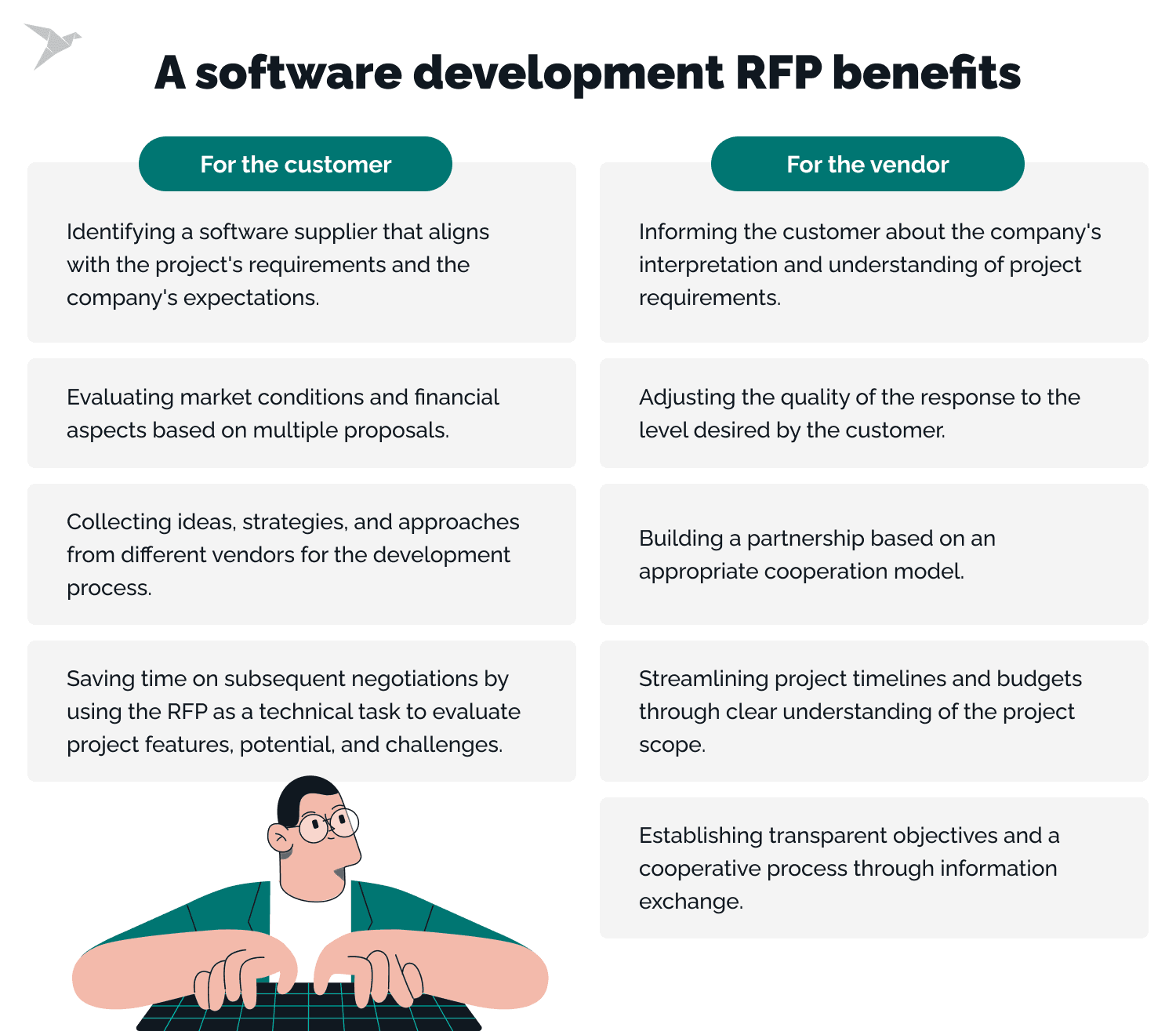
A software development RFP offers advantages to customers and potential partners:
Key Components of an Effective RFP in Software Development

While there's no one-size-fits-all template, incorporating the following sections can ensure clarity and consistency in your RFP:
Project overview and company introduction
Begin by summarizing your project’s objectives and requirements. Whether you use an RFP template for software development or build your own RFP, this section should give vendors a clear view of what you want to achieve. Focus on business goals first rather than technical details. Explain the core software requirements, any limitations of your current system, and the areas you want to improve. If the project involves a platform such as an ERP system, mention that early so expectations are clear.
It also helps to define your audience and the problems the product is meant to solve. Clear context helps multiple vendors respond in a more relevant way and lets your RFP for software development encourage vendors to align their ideas with your priorities, not just your feature list.
Finally, add a short introduction to your company, including its background, mission, and any important project boundaries. This gives potential partners a better sense of your direction and helps them shape proposals that fit your business vision, especially if you are looking for long-term collaboration or broader professional services.

Project scope and expected deliverables
This section is the core of your request for proposal for software development. It helps vendors estimate costs, define timelines, and explain how they would approach the work.
Product requirements and functionality
Outline the product you want to build, the main features, and the expected project functionality. Clear requirements make proposals more accurate and easier to compare.
Infrastructure and delivery approach
Ask vendors how they handle scalability, security, and delivery. If you expect Agile methods or a specific team setup, include that here. A strong software RFP template should make these expectations clear.
Quality assurance and technical documentation
Include questions about testing, QA processes, and technical documentation. This helps you understand how the vendor plans to maintain quality throughout the project.
Version control and development standards
It is also worth asking about version control and development workflows. These details show how the team manages code, collaboration, and release quality.
Budget considerations
While cost-effectiveness matters, it helps to define a realistic budget range in your software development RFP. This gives vendors a clear signal of what is feasible and encourages them to tailor proposals to your expectations rather than guess.
You can also include a simple estimate template that breaks down costs by feature or delivery stage. Organizing this in a spreadsheet with separate tabs for different software categories makes it easier to compare responses and understand where the budget is allocated.
Step-by-Step Guide for Creating the RFP for Software Development

Step 1. Define project details
This section sets the foundation for your rfp software development process. It gives vendors the context they need to understand your business and respond in a relevant way. You can also refer to rfp samples or a software development rfp template to structure this part clearly.
Start with a brief overview of your company, including its activities, products, mission, and target audience. Add some industry context so vendors understand where your product fits. Connect this directly to your idea by explaining why the project matters and how it supports your broad business goals.
Project goals
Focus on measurable outcomes. Describe how the solution should benefit users, improve processes, or support customer service. Clear, business-focused goals help vendors understand what success looks like without getting lost in technical details too early.
Project scope
Provide a clear and detailed rfp scope, even if you avoid deep technical specifics. Explain what needs to be built, what problems it should solve, and what deliverables you expect. This helps eliminate gaps and ensures vendors understand the full picture.
Project management
Describe how the project will be managed and who will be involved. Mention whether multiple team members will participate on your side and what collaboration model you expect. Clarify communication methods, tools, and milestones for progress reviews.
It is also useful to mention expectations around ongoing support, so vendors can plan beyond initial delivery and align with your long-term needs.
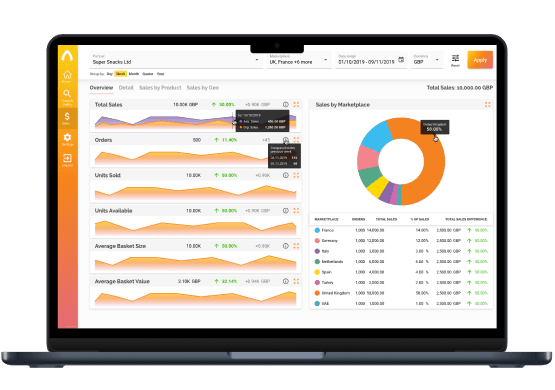
an E-commerce analytics app using JS and Serverless on AWS
Budget
Define a clear budget constraints and framework for the project. This can be a fixed amount, an hourly rate, or a flexible range aligned with your organizational budget. It is also useful to include constraints such as payment schedules, fiscal planning, or internal approvals.
A well-defined budget helps vendors align their proposals with your project specs and supports better risk management from the start.
Key questions:
- Is there flexibility within the budget, or are there strict limits?
- Are there defined timeframes for how the budget should be used?
- Who is responsible for approving the final budget?
You should also outline any resource limitations, current or expected. This allows vendors to assess feasibility and respond realistically. When you review proposals from shortlisted vendors, this clarity makes it easier to compare options and select the right partner.
If needed, you can refer to RFP examples for software to see how others structure budget sections and evaluation criteria.
Contact information
Ensure easy accessibility for potential vendors by providing contact information for the project lead or sourcing manager who can address vendor inquiries during the RFP process. It's important to note that this contact person may not necessarily be the same individual leading the project's execution.
- [Company Name]
- [Name of Point of Contact]
- [Phone Number]
Step 2. Define required services and expertise
At this stage, you move from general context to the actual drafting of your request for proposal software development. The goal is to clearly explain what you need so third party vendors can respond with relevant solutions.
Start with a high-level overview, then break it down into specific services, requirements, and deliverables. Many businesses opt to use a request for proposal template software to keep this section structured and complete.
Describe the type of product you want to build and the expertise required. This may include mobile or web development, cloud integration, or security. If possible, reference similar projects to give vendors a clearer picture of expectations.
Also clarify:
- What services you need
- What level of expertise is required
- What kind of project management support you expect
- What post-launch support should look like
These are essential components that help vendors understand the full scope.
Outline requirements and deliverables
List expected features, covering both frontend and backend. Ask vendors about team composition, including architects, designers, and engineers. Define how success will be measured for each deliverable. This helps you later shortlist proposals based on clear, shared criteria and choose the right vendors.
Development, QA, and collaboration
Explain how development and QA should be handled, including communication, feedback loops, and change management. Ask vendors about their QA tools and processes. To keep everything clear, include submission instructions and consider storing responses in a centralized repository so your team can review and compare proposals more easily.
Step 3. Address project challenges
Be open about potential risks and constraints from the start. A well-drafted RFP should clearly outline any challenges that could affect delivery, timelines, or collaboration. This helps different vendors respond with realistic solutions instead of assumptions. If key details are missing, teams may face misunderstandings, delays, or added costs. It can also create friction between vendors and your internal teams later in the process.
Be transparent about risks and constraints
Highlight known issues such as technical limitations, dependencies, or unrealistic deadlines. If you already have an estimated budget, share it to guide expectations and avoid misaligned proposals.
This level of clarity helps vendors prepare more accurate responses and increases your chances to receive proposals that are practical and relevant.
Support better responses from vendors
When vendors understand the full context, they can suggest better approaches and flag risks early. You can also include structured questions or pre-approved answers to make it easier to compare responses. Finally, define a clear response window so vendors have enough time to prepare thoughtful proposals without slowing down your selection process.
Step 4. Specify your selection criteria
The next step is to explain how you will evaluate vendors. A clear and structured approach helps you compare proposals fairly and keeps everyone on the same page from the start. It also gives qualified vendors a better sense of whether they are a good fit before they invest time in a response.
Start by outlining the core criteria that matter most for your project. This may include experience, qualifications, cost, similar cases, methodology, availability, and technical compatibility. Together, these factors give vendors a general idea of what your team values and how decisions will be made.
Clear criteria also make the process more transparent internally. If you have already reviewed RFI responses, you can use those insights to refine what matters most at the RFP stage. This is especially useful when several stakeholders are involved in the evaluation.
To keep the process organized, some teams also use proposal management software to review, score, and compare submissions. Once the response window closes, having clear criteria in place makes it much easier to assess vendors objectively and move toward a confident decision.

Step 5: Specify your project's timeline
Clearly communicate whether you have a specific timeline in mind or are open to flexibility regarding the project's commencement and final product delivery. This information lets vendors plan their resources accordingly, aligning with your desired timeframe.
A well-defined timeline benefits all parties throughout the bidding process. It clarifies to vendors when your project must be completed, enabling them to plan resources effectively and ensure timely delivery. Additionally, vendors can communicate crucial deadlines to their teams, reducing the risk of delays and ensuring the successful delivery of your project on schedule.
Answer the following questions:
- What are the dependencies that could influence the project's execution?
- What repercussions might arise if the project deadline is not met
- Are there specific milestones to be achieved, or is there a single, overarching project delivery deadline?
Pro tip: You can keep it straightforward with a single delivery date or provide multiple project milestone dates. Example:
- Project kickoff - [DD/MM/YYYY]
- MVP delivery - [DD/MM/YYYY]
- Final product delivery - [DD/MM/YYYY]
Specify deadlines and preferred dates for vendors' responses and actions. Provide ample time for companies to conduct a thorough and comprehensive assessment of the project and budget requirements. However, maintain clear timelines to identify candidates who take them seriously.
You can present this data as text or in a table format with deadline dates. Include details like:
- RFP publication date
- Deadlines for responses (a range or a specific date)
- Timeframe for reviewing received applications
- Dates for meetings with providers (interviews or clarifications)
- Final vendor selection date
- Optional project start date
Step 6: Proofread your RFP
Diligently proofread your RFP, and then do it again. Why? Because even minor errors can potentially disrupt project timelines. Imagine a single digit missing from your budget or a miscommunication regarding proposal submission and selection dates. Such errors could necessitate restarting the entire RFP process, wasting valuable time.
- Does your RFP include a clearly defined process timeline, complete with a submission deadline?
- Have you provided contact details for a representative within your organization who can address inquiries or direct them to the appropriate person?
- Has your RFP undergone review and received approval from all key stakeholders?
Your objective is to encourage as many proposals as possible and facilitate vendor responses. Even a minor typo, like an overlooked project name or incorrect contact information, can hinder response rates significantly.
*Provide recommendations or a pre-defined response format for the software development RFP. The format should enable suppliers to include the following information:
- Company name and a brief description of services/areas of expertise
- Location of research and development (R&D) centers and the possibility of remote work
- Product vision, including a rough plan, management opportunities, feature suggestions, and potential challenges
- Planned team composition, along with qualifications
- Project start and end date estimates
- Estimated project budget
- Preferred approaches and plans of the company
- Submission of project proposal in PDF format to [company email]
- Additional considerations, such as post-deployment support and employee training.
Clearly define your expectations for each proposal. Elaborate on the specifics as comprehensively as possible, as this uniformity in proposal structure streamlines the evaluation and comparison process.

Summing Up
Choosing the right approach to a software RFP is less about filling out a formal rfp document and more about making clear, informed decisions. A well-structured software rfp helps teams define their goals, compare vendors on equal terms, and reduce the risk of misunderstandings later in the project.
Looking ahead, RFP processes are becoming more data-driven and iterative. Teams are starting to use shared frameworks, such as a software request for proposal template, to speed up preparation and ensure consistency. At the same time, evaluation is moving beyond price and timelines. More companies focus on long-term fit, integration capabilities (for example, with customer relationship management systems), and the vendor’s ability to support evolving requirements.
Practical tips to get more value from your RFP
- Define the scope clearly from the start so vendors can adequately evaluate submitted proposals and respond with relevant solutions.
- Focus on real use cases, not just features, to see how the solution will work in practice.
- Involve both technical and business stakeholders to avoid gaps that could affect ongoing projects later.
- Treat the RFP as a starting point for collaboration, not just a one-time selection process.
In practice, the most effective RFPs are simple, focused, and aligned with business goals. They help teams choose not just a vendor, but a partner who can support the product as it grows.

FAQ

Using the best RFP (Request for Proposal) template is crucial for software development projects because it lays the foundation for a successful partnership with your chosen software development vendor.
Yes, you can and should customize the provided RFP template to align with the unique requirements of your specific software development project. It should accurately reflect your project's goals, challenges, and technical specifications, making it more attractive to potential vendors and increasing the likelihood of receiving tailored responses.
Clearly define your project's goals, technical requirements, and evaluation criteria. Additionally, consider contacting reputable software development organizations or industry networks to distribute your RFP to a targeted audience of potential vendors.