
 Software Development
 Security Services
 Cloud Services
 AI Services
 Other Services














 TechMagic Academy


Introduction to Software Audit: Definition, Benefits, Checklist
Last updated:1 March 2026

Does your company need a software audit? This guide explains how a software audit process works, why it matters, and what to include in a practical checklist.
The software development lifecycle is complex. It involves multiple teams, ongoing changes, and continuous validation. Testing helps, but it does not cover everything. That is why many companies use a structured software development audit to review how their products perform in real conditions and whether they meet internal and external requirements.
A software product audit is also an important part of risk management, especially when systems depend on multiple vendors and tools. Without regular reviews, problems like unused licenses, unauthorized software, or hidden compliance gaps can lead to extra costs and legal exposure.
In simple terms, the software audit meaning is a structured review of your software systems, processes, and licenses to confirm that they work as expected and align with business and regulatory requirements. That includes checking software licenses, reviewing the software environment, and paying close attention to areas like data protection and software security.
In this guide, we explain what a software quality audit is, how a software quality audit process works in practice, and how to handle internal and external audits with less friction. You will also find a practical software audit checklist to help you prepare, spot issues early, and act before they become larger problems.
Key Takeaways
- Regular audits help catch licensing, security, and process issues before they grow into larger operational or legal problems.
- A clear review of systems, tools, and documentation gives companies better visibility into how their software environment actually works.
- A software audit process supports stronger compliance, better cost control, and more informed technical decisions.
- Audits are useful not only for vendor checks but also for product quality, internal governance, and risk reduction.
- A practical checklist makes reviews more consistent and helps teams avoid missing critical areas.
- Over time, a software quality audit helps improve reliability, maintainability, and overall confidence in the way software is developed and managed.
What Is a Software Audit?
A software audit is an independent evaluation of your products, development processes, and supporting systems. Its purpose is to verify that day-to-day practices, licensing, and operations align with internal standards and industry regulations.
The software audit process can be handled by an internal audit team or external software experts, depending on your goals. Many companies conduct internal software audits on a regular basis and bring in third parties when they receive an external audit request or prepare for certification.
A typical review starts with defining the audit scope, collecting audit evidence, and running compliance checks across the environment. The goal is to identify compliance issues, uncover potential security risks, and confirm that systems and processes meet contractual and regulatory expectations.
The outcome is usually a detailed software audit report, or simply an audit report, that summarizes the findings, highlights threats such as a possible data breach, and recommends corrective actions. In some cases, a company may need a re-audit to confirm that the issues were resolved or to complete an audit settlement with software publishers.
If you wait until an external review begins, the process usually becomes more reactive and more expensive. Regular audits help you ensure compliance, avoid licensing penalties, and improve visibility across the organization. They also support risk mitigation and help businesses adjust to a changing technology landscape, including the use of emerging technologies.
What Are the Benefits of a Software Audit?

A well-structured software audit process brings both immediate and long-term value. It helps uncover risks early, improve visibility, and support better decisions across your software environment.
Reduce unnecessary costs
Unused or duplicated tools often go unnoticed. A software product audit helps identify unused licenses, eliminate waste, and support cost optimization. It also gives a clear view of how your software licenses are actually used.
Ensure compliance and avoid penalties
Regular audits help you ensure compliance with vendor agreements and industry regulations. This reduces the risk of fines, legal disputes, or unexpected costs during an external audit. It also makes assessing compliance much easier over time.
Strengthen security and reduce risks
Audits highlight weak points in your systems, including outdated tools or misconfigured access. This supports enhancing security, reduces exposure to security risks, and lowers the chance of incidents like a data breach. A security audit often becomes part of a broader review.
Improve visibility and decision-making
A clear audit gives stakeholders a better understanding of how systems perform and where improvements are needed. This helps align decisions with audit objectives and supports more effective risk management.
Identify gaps and drive improvements
Audits reveal compliance gaps, inefficiencies, and outdated processes. Based on audit results, teams can plan corrective actions, improve workflows, and keep systems aligned with business goals.
Support long-term business value
Beyond compliance, a consistent software quality audit helps maintain reliable systems, improve performance, and adapt to change. Over time, this contributes to better risk mitigation, stronger operations, and even a competitive advantage in a fast-changing technology landscape.
What Are the Reasons for a Software Audit?
Why is software auditing important, and what the practical reasons for implementing this practice into your business process?
Verifying licensing compliance
One of the most common triggers for a software development audit is licensing. Software publishers want to confirm that their products are used according to agreements. This often leads to an external audit request. Internally, regular audits help track software licenses, detect unauthorized software, and avoid surprises during formal reviews. It also simplifies audit settlement if issues are found.
Maintaining product and process quality
A software quality audit process helps evaluate how well your product and development workflows perform. It is not limited to code. It includes processes, documentation, and delivery practices. If teams face instability, slow releases, or unclear ownership, a software quality audit helps identify root causes and align work with defined audit objectives.
Meeting regulatory and security requirements
Companies working with sensitive information must follow strict regulatory compliance rules. This is especially relevant in industries like healthcare, fintech, and enterprise SaaS. A structured audit supports assessing compliance, highlights risks in software security, and helps prevent issues that could lead to a data breach or legal exposure.
Supporting due diligence and business decisions
Audits are often part of due diligence during mergers, acquisitions, or large system changes. They help key stakeholders understand the real state of systems, risks, and dependencies. This is critical when evaluating legacy platforms, vendor contracts, or scaling decisions across a complex technology landscape.
Keeping control over growing systems
As companies adopt new tools and integrate more services, complexity increases. A regular software audit checklist helps maintain visibility across systems, detect compliance issues, and ensure consistency across environments. In practice, the software audit meaning becomes less about control and more about clarity. It gives organizations a reliable view of what is actually running, what is needed, and what should be improved.
What to Consider Before Auditing Software?

Preparation has a direct impact on how effective your software audit process will be. Without a clear baseline, audits turn into data collection exercises instead of real analysis.
Establish the current state of your systems
Start by reviewing your software environment as it is today. Look at performance, stability, integrations, and known issues. This step helps define realistic audit objectives and prevents wasting time on irrelevant areas. At this stage, it is also important to identify risks related to software security, outdated components, or gaps in data protection.
Define requirements and expectations
Before running a software product audit, clarify what you expect to achieve. This includes business goals, compliance needs, and technical priorities. Involve key stakeholders early. Product owners, engineers, and compliance teams should align on scope, risks, and expected outcomes. This makes assessing compliance more structured and reduces confusion later.
Set a clear audit scope
A well-defined audit scope keeps the process focused. Decide whether you are reviewing the entire system or specific areas such as licensing, infrastructure, or security. This is especially important for a software quality audit process, where trying to audit everything at once often leads to shallow results.
Prepare data and documentation
Audits rely on accurate audit evidence. Gather documentation in advance: system inventories, contracts, architecture diagrams, and access logs. Using software audit tools or SAM solutions at this stage can simplify data collection and improve accuracy.
Plan resources and responsibilities
Assign roles early. Whether you rely on an internal audit team or external software experts, everyone should understand their responsibilities. This is also where you decide if additional expertise is needed, for example for a security audit or accessibility audit, depending on your product and industry regulations.
Make audits part of ongoing work
A single review is rarely enough. Regular audits help detect compliance gaps, track improvements, and support continuous risk mitigation. Over time, the software audit process becomes less disruptive and more predictable, especially as systems evolve and new tools are introduced.
Find the Right Vendor
Finally, if you do not have a team of audit professionals on your staff, consider hiring a third-party service to conduct a software audit for you. A professional partner like TechMagic will objectively assess the state of your software applications, check your licenses, and help you reach the requirements. The software development company knows first-hand how to ensure a smooth audit and bring your legalese in order.
What Can You Expect During the Software Audit?
If you have never been audited, you might feel overwhelmed during your first software checkup. There are several steps that will happen, and you should be prepared for them.
Setting Audit Phases
Third-party auditors will contact you to have a discussion and go through each phase of the audit process.
Data collection
Auditors will later collect all the required data for the software checkup, such as the number of licenses you carry, the list of software applications you use, users who work with these applications, and proof of licenses.
Report of findings
After conducting the full investigation, auditors will provide an extensive report with information about the state of your software applications and their licenses, as well as their possible concerns.
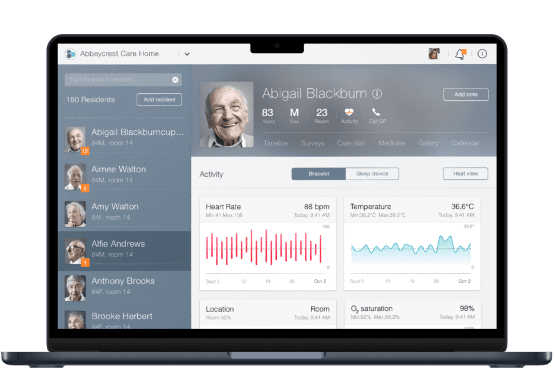
a Care home management app for E-type Care
How to Conduct a Software Audit?
What exactly will be audited, and which data will be used for the software checkup?
Hardware Inventory
Hardware inventory implies any devices that you use to access applications. The inventory should encompass every physical or virtual station that your company has in use. The hardware inventory includes the model of each device and information about the processor. The list should be exhaustive and entail every important piece of information regarding your hardware equipment.
Virtualization Inventory
Many companies utilize virtual servers that run on physical machines. These virtual environments should also be documented. The information should include data regarding the number of processors as well as the capability of virtual machines to automatically migrate from one physical host to another.
Software-Deployment Inventory
Now you will need to document the list of software products that run on your devices. The information should be detailed and mention the vendor's name, product name, its version and edition.
User Data
User data can be obtained from the Active Directory that stores information about remote users and devices. You can also use other resources to collect the number of remote users that access your software applications and include them in a list.
Entitlement Data
After hardware and software inventory, user and virtual machine data have been collected and documented, you need a standard from the vendor. Most publishers provide convenient methods of obtaining information about their products. If not, you can cooperate with the vendor to successfully compare your internal data with the company’s standards in order to detect possible issues.
Software Audit Checklist

A software audit checklist is a helpful guide for any company that is new to the process of software checkups.
- Audit Planning
Here your stakeholders should establish why the software is subject to an audit. You need to pinpoint the reason for the audit of this particular project and how it will support your business goals. Additionally, detect potential risks that this project might cause and how to mitigate them. Finally, if the software has been audited before, you need to remind everyone of the previous results.
- Involve External Expertise
Besides investigating your software internally, it is highly recommended to bring in someone with objectivity and expertise. An external partner or service provider will evaluate your risks and opportunities and share their experience to ensure a smooth software audit process.
- Gain Understanding of the Process
Request information that will help you understand the entire process of auditing. Collect policies, procedure documentation, and key reports. Inquire about the applications used for conducting a checkup and the list of data necessary for it. Using the master data, you will understand how the process works and what the results should look like.
- Prepare the Audit Program
The audit program is a list of process steps that you will take during the auditing iteration. You should determine process objectives and risks as well as means of mitigating those risks.
- Audit Review
Especially if you are new to software checkups, you need more than one pair of eyes before finalizing the data. Among others, senior managers, external subject matter specialists, and the audit customer should review the results.
How to Prepare for a Software Audit?
How to perform a software audit with zero to little problems and mistakes?
Maintain Smooth Communication with Your Software Vendor
If you manage to establish a good relationship with your vendor, there is a higher chance that they will be on board when you need their help. For example, if you are expanding or niching down, your vendor will be more likely to quickly support you if you stay in touch.
Proof of Ownership
Make sure to provide accurate proof of ownership to your auditors. Randomly purchasing licenses right before the audit will probably not result in anything good, so it is recommended to seek consultation before making any decisions.
Acquire a SAM Tool
SAM tool stands for Software Asset Management tool, which is very important for budgeting the software. A proper SAM tool will highlight the license shortages in your company, point out the overspending, and detect the unused ones that could be removed. In other words, SAM tools are basically your objective third-party service that will estimate your data and provide you with an accurate report.
Conduct Regular Audits
Software audits should not be conducted once a year or only when the external audit is approaching. It should become an essential part of your business and be executed at least once a month. Fixing something proactively will save you time and money, whereas reactive penalties payment will eat out a big portion of your budget.
Hire the Right Software Asset Management Partner
Even after reading this article you probably still have questions about how to do a software audit. It is a process that requires a lot of knowledge and expertise that you will gain only with experience. Hiring the right partner who knows the licensing regulations and is familiar with each step of the process will protect you from making mistakes and rash decisions. Find a software audit partner with experience in conducting checkups and helping companies better their business operations.
Conclusion
Having to undergo an external software audit might be overwhelming and stressful. This is why conducting internal checkups is so helpful and beneficial. If you execute regular audits, you can be sure that your licenses are in order and software works smoothly. Use our software process auditing checklist to conduct audits regularly, and you will minimize risks associated with licensing software. TechMagic is a web app development company that can be your Software Asset Management partner. Our extensive experience in mobile and web development will ensure a thorough and accurate evaluation of your license state and software issues. We are also cloud experts and can help you navigate data consumption in the cloud. If you would like to have a free consultation with our experts, contact us here.
FAQ
A software quality audit is a structured review of a product, its development process, and testing practices to check whether they meet defined quality standards and support reliable delivery.
A software audit process reviews systems, licenses, and development practices to identify risks, inefficiencies, and compliance issues before they turn into larger operational or legal problems.
A software audit checklist should include license verification, system inventory, security checks, and process review so the audit stays consistent and important areas are not overlooked.
