














SOC2 Penetration Testing: What It Is, Why It Matters, and How to Do It Right
Last updated:10 July 2026


Many teams preparing for SOC 2 assume SOC2 penetration testing is not something auditors require. Dig into the criteria, though, and a few of them quietly create the expectation that you will run one. So what is actually required, and how do you get real business value out of it? That is the question this guide untangles.
In our new article, we cover what SOC2 penetration testing is, whether SOC 2 truly requires it, how it maps to the Trust Services Criteria, what to test, how much it costs, and how to turn the results into more than a passing audit.
Key takeaways
- Penetration testing is not explicitly required for SOC 2 compliance, but auditors and enterprise buyers treat it as the most credible proof that your security controls actually work.
- Finding vulnerabilities will not fail a SOC 2 audit, but failing to address them will.
- SOC 2 penetration testing is a scoped, simulated attack tied to your audit boundary and the Trust Services Criteria, and it produces auditor-ready documentation.
- It differs from vulnerability scanning: scanning finds known issues with automated tools, while a pentest exploits them and shows real business impact.
- For most SaaS companies, the core penetration test scope is web app, API, cloud configuration, and external network, with a typical budget of $8k–$25k.
- A clean report with remediation evidence speeds up enterprise procurement, so the value reaches well past the audit process.
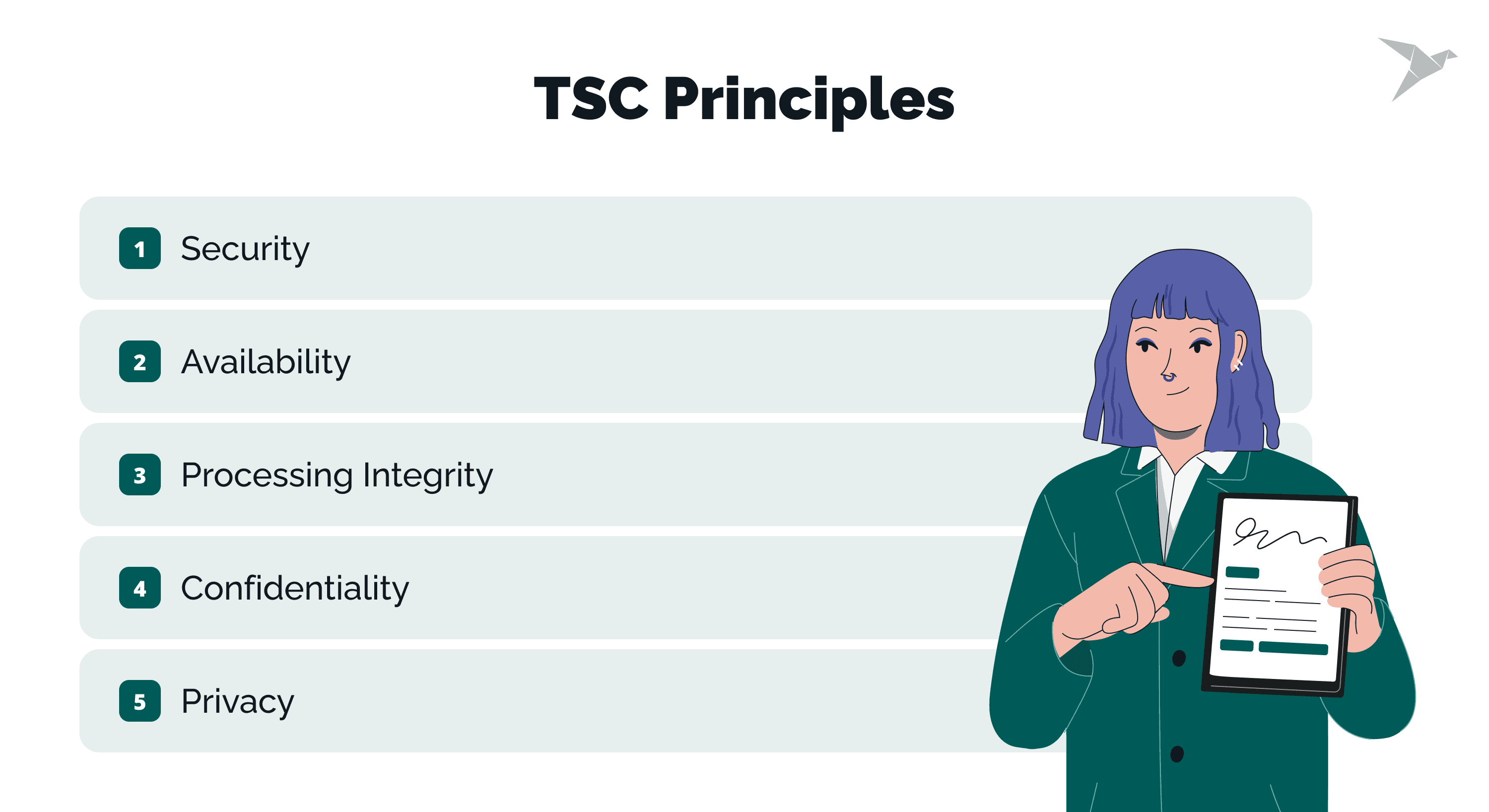
- The AICPA's SOC 2 Trust Services Criteria consists of five core principles: Security, Availability, Processing Integrity, Confidentiality, and Privacy. They guide organizations in managing and protecting data.
Is Penetration Testing Required for SOC2?
SOC 2 does not explicitly require penetration testing, but it is strongly recommended and effectively expected by your auditor. The standard cares about outcomes, and a pentest is the most convincing way to prove those outcomes.
The reason lies in how the framework is written. The AICPA's Trust Services Criteria ask a service organization to show that its security controls are present and operating, and a credible security assessment is the clearest evidence. From our experience, this is why most SaaS teams build a pentest into their roadmap even when no one hands them a rule that says they must.
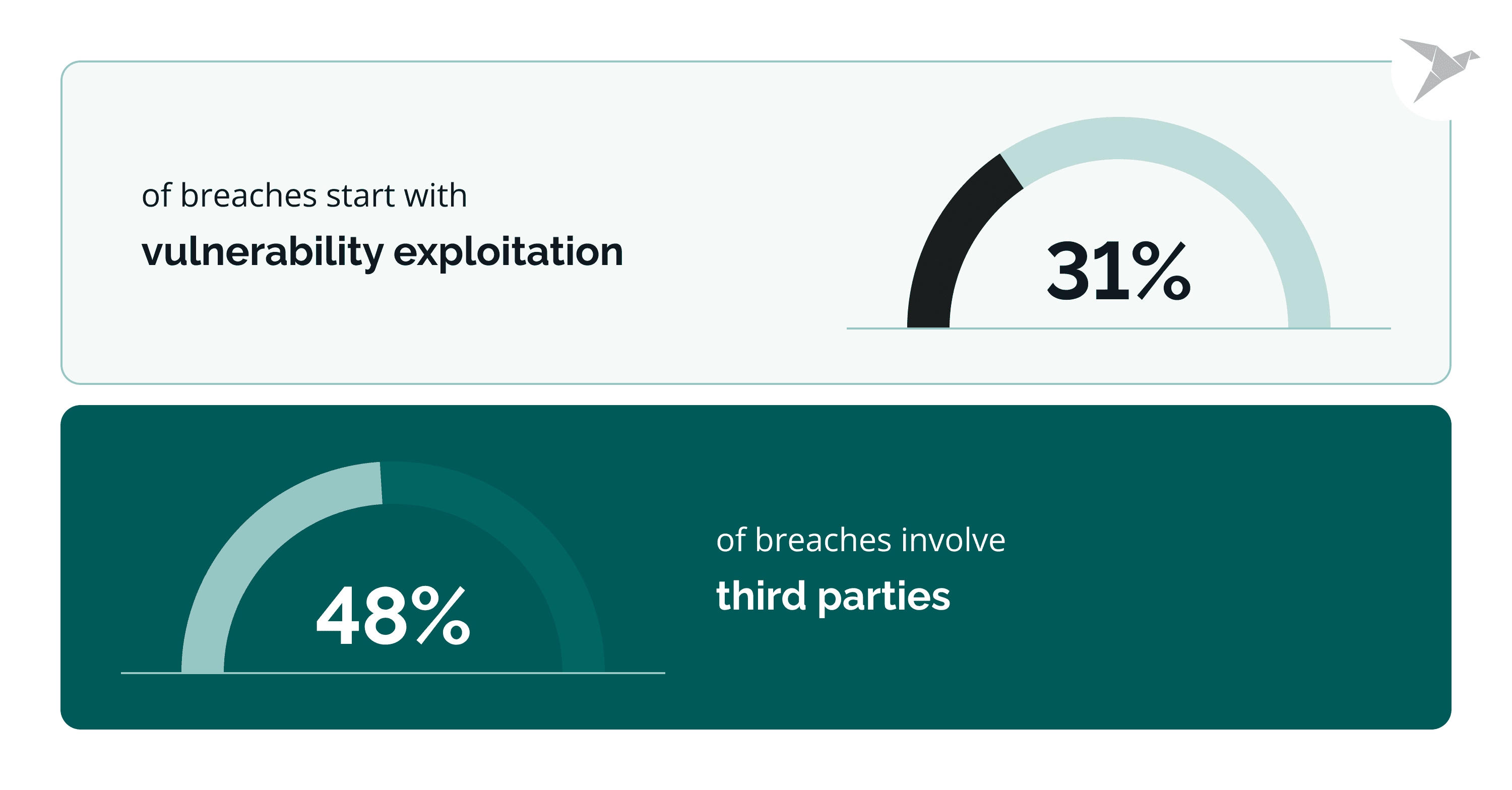
There is a good reason for the scrutiny. According to Verizon's 2026 Data Breach Investigations Report, vulnerability exploitation became the leading way attackers break in, accounting for 31% of breaches, up from 20% the year before. Auditors know this, and they want assurance that your exposed systems were tested against real-world attacks.
No rule forces a pentest, and yet the criteria still expect one.
CC4.1 and CC7.1: what the Trust Services Criteria actually say
CC4.1 asks the organization to select, develop, and perform "ongoing and separate evaluations" to confirm whether internal control components are functioning. A penetration test is a textbook example of a separate evaluation, run independently of day-to-day system monitoring.
CC7.1 covers detection and monitoring procedures used to spot new vulnerabilities and anomalies across system components. Together, these criteria push you toward both regular vulnerability scanning and periodic, deeper testing that goes beyond what internal tools catch on their own.
Neither criterion uses the words "require penetration testing." Both describe outcomes that comprehensive penetration testing demonstrates better than any other method. Understanding SOC 2 penetration testing requirements, then, means reading them as expected evidence rather than a literal checkbox.
What Is SOC2 Penetration Testing?
SOC2 penetration testing is a simulated cyberattack carried out within the scope of a SOC 2 audit to confirm that security controls hold up under real attack conditions rather than only on paper. It is scoped around the systems the audit covers, follows the Trust Services Criteria, and produces documentation that an auditor can use directly.
A generic pentest and a SOC 2 pentest share the same techniques. The difference is framing: a SOC 2 engagement maps every finding back to the security objectives and criteria the audit evaluates, so the report speaks the auditor's language. You may also see it written as penetration testing SOC2 or pentesting for SOC2, but the meaning is the same.
The scope is also deliberate. Testers focus on the organization's systems that store, process customer data, or sit inside the audit boundary, and they document how each test relates to protect customer data commitments.
We provide CREST-certified penetration testing services

Type I vs Type II SOC2: when does pentest matter most
A SOC 2 Type I report assesses whether controls are designed correctly at a single point in time. A SOC 2 Type II report assesses whether those controls operated effectively over a period, usually three to twelve months, which raises the bar for evidence.
Pentest evidence matters most for Type II. Demonstrating operating effectiveness over time means showing that you ran internal audit assessments, found issues, and fixed them, and a pentest with a clear remediation trail fits that story perfectly.
SOC2 pentest vs vulnerability scanning: key differences
Vulnerability scanning and penetration testing are complementary, but they are not the same. A scan uses automated tools to flag known weaknesses across your network infrastructure; a pentest has a human security professional chain those weaknesses together and try to exploit vulnerabilities the way an attacker would.
Scanning answers "what known issues exist?" Pentesting answers "what could an attacker actually do with them?" Automated tools identify vulnerabilities quickly, while a tester goes further to identify security risks that scanners miss entirely.
What auditors and enterprise buyers actually look for in a pentest report
A useful report does more than list findings. Auditors look for a clear penetration test scope, a methodology, severity ratings, evidence that you remediate identified deficiencies, and an attestation letter they can attach to the audit file. Honestly, the line between a useful report and a useless one is whether someone can act on it without calling you to explain what it means.
Enterprise buyers read the same report differently. They scan for how fast you closed high-severity items, whether you address vulnerabilities in a timely manner, and whether your security posture improved between the initial test and the retest.
What Types of Penetration Testing Are Relevant for SOC2?
The relevant types map to where your sensitive customer data lives: web application, API, network (external and internal), and cloud infrastructure. Each type validates a different slice of your security measures, and mapping them to the criteria helps you justify scope to an auditor.
Choosing types is a scoping decision, so tie each one to the controls it proves. The table below shows how common engagements line up with the compliance requirements behind a SOC 2 audit.
Web application and API pentesting for SaaS
For most SaaS products, the web app and API carry the highest risk because they sit between the internet and your customer data. That is where we see the most serious findings in practice. Web application testing probes authentication, access controls, and business logic, often using dynamic application security testing alongside manual review.
API testing deserves its own focus, since broken authorization is the most common path to a breach. If your product is API-first, treat API penetration testing as a core part of the scope. Leaving it for later is a common and costly mistake.
Cloud infrastructure testing: AWS, GCP, and Azure
Cloud testing checks the configuration of your cloud infrastructure across AWS, GCP, or Azure: identity and access policies, storage exposure, network segmentation, and the recovery infrastructure behind your availability commitments. Most cloud incidents come from misconfiguration. Exotic exploits are rarely the cause.
Testers also review how you handle data classification, data deletion, and access to critical servers, because these map directly to confidentiality and availability criteria. Strong cloud hygiene is often the difference between a clean report and a long remediation list.
External vs internal network pentest: which one do you need
An external network pentest views your perimeter the way an outside attacker does, probing exposed services and authentication systems. An internal test assumes a foothold already exists and checks how far an attacker could move to access systems through lateral movement.
Most SaaS companies start with external testing, since that surface faces real-world attacks daily. Add internal testing as you grow, especially once you run shared services or sensitive system components behind the perimeter.
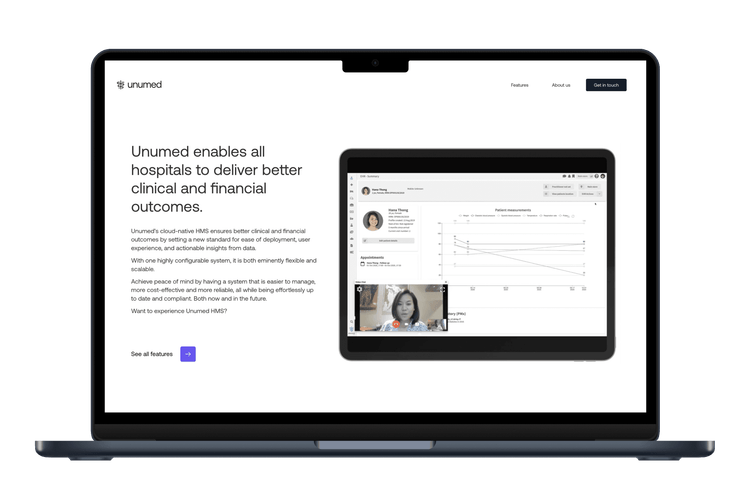
Penetration testing of a cloud-native hospital management system before the annual ISO 27001 audit
How Do You Define the Scope of a SOC2 Penetration Test?
Scope your pentest to match the systems described in your SOC 2 system description, no wider and no narrower. Testing too little leaves security gaps an auditor will question; testing too much wastes budget on systems outside the audit boundary.
The cleanest approach in SOC 2 compliance consulting services is to start from the audit boundary itself. List every application, service, and piece of infrastructure that stores or processes in-scope data, then map your penetration test scope onto that list so there are no surprises during control testing. In practice, that is the core of how to pentest SOC2 well: match the test to the boundary, then go deep.
Aligning pentest scope with your SOC 2 system description
Your system description names the systems and security practices in scope, so it is the natural blueprint for the test. When the entity selects what to evaluate, the pentest scope and the system description should describe the same boundary.
For a typical SaaS company, that boundary is the web app, the API, the cloud configuration, and the external network. Larger platforms add internal network testing and vulnerability assessments of supporting services.
Common scoping mistakes and how to avoid them
From our experience, the most frequent mistake is excluding a system that handles sensitive data because it felt minor, only to have the auditor flag the gap. The second is scoping by asset count instead of risk, which spends time on low-value targets while real security risks go untested.
Avoid both by ranking systems by data sensitivity and exposure first. A short scoping workshop with your testers and your auditor prevents most rework and keeps the engagement focused on genuine security threats.
A pentest scoped to the wrong boundary proves the wrong thing.
How Much Does a SOC2 Penetration Test Cost?
A SOC 2 penetration test typically costs between $8,000 and $25,000 for a standard SaaS scope, depending on system complexity and the depth of testing. A web-app-plus-API engagement sits at the lower end, while broad cloud and network coverage push toward the top. We will be blunt: the cheapest quotes usually just rerun an automated scanner, and that will not satisfy a serious auditor.
Cost tracks scope, tester seniority, and retest needs. Budget for a retest after remediation, since proving you fixed newly discovered vulnerabilities is often what the auditor and the buyer care about most. For the full compliance picture, factor in the broader SOC2 audit cost on top of the test itself.
Provider quality varies widely, so compare credentials before price. Reviewing the best penetration testing companies helps you weigh accreditation, reporting quality, and SOC 2 experience rather than picking on cost alone. It also helps to set the price against the alternative: IBM's 2025 Cost of a Data Breach report puts the global average breach at $4.44 million, which makes a five-figure test look like cheap insurance.
Not Just a Successful Audit: How Does SOC2 Penetration Testing Help Close Enterprise Deals?
Beyond passing the audit, a SOC2 penetration testing report doubles as a sales asset, because enterprise buyers run their own vendor security reviews before they sign. So if you are on the fence about commissioning a pentest just for SOC 2, here is the tie-breaker: the same report you hand your auditor is the one you show every prospect who asks.
That second life for the report matters more each year. Verizon's 2026 Data Breach Investigations Report found that breaches involving third parties reached 48% in 2025, up from 30% a year earlier, which is exactly why buyers scrutinize their vendors so hard. When a prospect sees you already test against cyber threats and fix issues, their internal control review moves faster.
Practically, attach the report and remediation summary to security questionnaires and RFPs. A vendor who can show a strong overall security posture and a habit of fixing identified deficiencies clears procurement ahead of one still promising to "look into it." Buyers know most data breaches now start with a known, exploitable weakness, so visible proof that you hunt for those weaknesses carries real weight.
Our Experience in SOC2 Penetration Testing
We run SOC 2 pentests as a CREST-accredited team, working mostly with SaaS, FinTech, and HealthTech products that carry SOC 2 compliance, HIPAA, or ISO 27001 obligations. A typical engagement combines web application, API, external network, and cloud configuration testing across AWS and Azure.
In practice, we pair continuous security testing and regular vulnerability scanning with hands-on manual exploitation, then map each finding back to the relevant criteria so the report reads as audit evidence rather than a list of bugs. We did exactly that on a penetration test for Mamo, a FinTech company, and on a pentest of Unumed's cloud-native hospital platform, where cloud configuration and access controls were the real story.
What usually takes the most effort is not spotting the issues but helping a team remediate identified deficiencies while a deal and an audit deadline are both bearing down. That is where a retest and a clear, prioritized fix list make the difference, as they did on a Quizrr ISMS internal audit that leaned on structured internal audit assessments and a clean evidence trail.
So what teams value most is rarely the findings themselves, but the proof that every issue was understood, fixed, and verified.
If you are scoping a pentest ahead of a SOC 2 audit, the fastest path is a provider who can test, map findings to the criteria, and hand your auditor ready-made evidence. Our CREST-accredited team scopes the engagement around your audit boundary and supports remediation through to retest.

Final Thoughts: What's Next for SOC2 Penetration Testing
If there is one idea worth keeping, it is that a SOC 2 pentest is worth far more than the box it ticks. Done well, it shows you where you are genuinely exposed, gives your auditor the evidence they need, and hands your team a straight answer to the toughest question a prospect can ask. The companies that get the most from it stop treating the pentest as a once-a-year scramble and start treating it as a steady habit.
Where is this heading?
- Pentest evidence is becoming a default buying requirement. As third-party risk climbs, expect more enterprise contracts to ask for a current report before signing, well beyond what the audit alone requires.
- Continuous testing will sit alongside the annual pentest. Point-in-time testing is giving way to a blend of continuous monitoring and periodic deep tests, so your security objectives stay validated year-round rather than once.
- Testing budgets will keep climbing. Gartner expects worldwide information security spending to reach $213 billion in 2025, and $240 billion in 2026, and a growing share of that goes to proving controls work, not just buying more tools.
None of this has to feel overwhelming. Start with a scope that mirrors your audit, fix what matters first, and let each test build on the last. If you would like a partner who treats your pentest as both audit evidence and a sales asset, let's talk.
Our expertise is at your disposal

FAQ

Penetration testing is not explicitly required for SOC 2 compliance. The AICPA's Trust Services Criteria ask organizations to evaluate whether security controls work, and a penetration test is the most credible way to demonstrate that, so auditors and enterprise buyers expect one in practice. Also, auditors typically require the test to be conducted by an independent, qualified third party to ensure objectivity.
SOC2 pentesting and vulnerability scanning differ in depth and method. Vulnerability scanning uses automated tools to flag known weaknesses, while SOC2 penetration testing has a security professional exploit those weaknesses and measure real business impact. Most SOC 2 programs use both together.
A SOC2 penetration test typically costs between $8,000 and $25,000 for a standard SaaS scope. The price depends on system complexity, the number of applications and environments in scope, tester seniority, and whether a retest after remediation is included.
A SOC2 pentest report should include a defined scope, the testing methodology, severity-rated findings, remediation evidence, and an attestation letter. Auditors attach this documentation to the SOC 2 audit file, and enterprise buyers review it during vendor security assessments. The penetration testing findings must also map back to the AICPA Trust Services Criteria to be effective in a SOC 2 audit.
Penetration testing for SOC2 should be conducted at least annually and after any major change to in-scope systems. SOC 2 Type II evaluates controls over time, so an annual test plus continuous vulnerability scanning shows that your security posture remains strong throughout the audit period.
SOC2 penetration testing supports enterprise sales by giving buyers proof that your security controls work. A report with clear findings, remediation evidence, and an attestation letter answers vendor security reviews quickly, which helps startups move through enterprise procurement faster.