














Top Financial App Development Companies in 2026
Last updated:22 June 2026


Fintech apps now sit at the center of how people bank, invest, insure, and budget. As demand grows, so does the need for development partners who can build software that is secure, compliant, and genuinely easy to use. The hard part is telling capable partners apart, because most vendor lists reward visibility over substance.
We put this guide together to make that comparison easier. Below are companies that show up repeatedly in the financial app development space, each described with the same structure: what they do, who they fit, where they are strong, where they are not, and how clients rate them.
To avoid an unearned ranking, the companies below are listed alphabetically, not first to last, and every company is described with the same structure, including limitations. We have tried to be objective, but we recommend choosing a partner based on your needs rather than its position here.
Key takeaways
- The choice of the right fintech development partner depends on your product stage, regulatory exposure, and budget, not on brand recognition.
- Every company here is described with the same structure (core services, best-for, strengths, limitations) and carries a verified Clutch rating checked in June 2026.
- In financial software, security, regulatory compliance, and legacy integration are the factors most likely to make or break a project.
How We Built This List
Generic FinTech vendor lists tend to rank companies by how loudly they market themselves. We started from a different question: who can actually ship secure, compliant financial software, and what does the public evidence show?
We reviewed each company using open information about their specialties, years in business, portfolios, and technology focus, then cross-checked client feedback on Clutch (review counts and scores verified in June 2026). Where a company's marketing claims and its client reviews disagreed, we weighted the reviews. We did not invent ratings or fill gaps with estimates; where a company has a thin public review footprint, we say so.
Two limits are worth stating plainly. First, public ratings are a snapshot and they move, so treat them as a starting point, not a verdict. Second, TechMagic is included in this list, and we applied the same structure and the same scrutiny, including limitations, to our own entry.
What we looked at
- Financial-domain experience. Whether the company has shipped real financial products (banking, trading, payments, insurance) rather than general apps.
- Security and compliance. Evidence of encryption, testing, and familiarity with GDPR, PCI DSS, and KYC/AML requirements.
- Technical depth. The stack and the ability to integrate with core banking systems, third-party APIs, and legacy infrastructure.
- Client evidence. Verifiable signals: detailed Clutch reviews, disclosed references, and published case studies.
- Fit and value. Pricing model and engagement style relative to the kind of client the company serves best.
Top Financial Software Development Companies
We built this list from public information: each company's specialties, years in business, track record, and technical depth.
10Pearls
10Pearls is a digital transformation company that builds secure, scalable fintech applications and works across the full product lifecycle. Finance is one of several regulated industries it serves.

Main focus: Security-minded digital transformation for regulated industries.
Core services:
- Custom financial software development.
- Mobile app development for finance.
- Blockchain and AI integration.
- Data analytics and BI solutions.
- Cybersecurity and compliance consulting.
Best suited for: Mid-market and enterprise clients that want a broad digital-transformation partner rather than a single-product shop.
Strengths:
- Wide service range that can cover product, data, and security under one roof.
- Consistent client feedback on on-time, on-budget delivery.
Limitations:
- Time-zone spread across global teams can complicate scheduling for some clients.
- Breadth across many industries means fintech is one focus among several, not the sole specialty.
Rating: 4.8/5 from 36 reviews on Clutch.
Appinventiv
Appinventiv is a large app development company with a substantial fintech practice, offering mobile, blockchain, and AI services for financial institutions. It works with startups through to established enterprises.
Main focus: Full-service digital delivery for financial institutions.
Core services:
- Mobile banking and financial apps.
- Blockchain and cryptocurrency app development.
- Custom software solutions for financial institutions.
- AI and machine learning integration.
- Post-development support and maintenance.
Best suited for: Clients that want scale and a large delivery bench for ambitious, multi-feature fintech builds.
Strengths:
- Deep bench and broad technology coverage for complex projects.
- High review volume with strong overall satisfaction.
Limitations:
- Large-agency structure can mean more process and less founder-level attention on smaller engagements.
- Pricing sits above boutique alternatives.
Rating: 4.7/5 from 90+ reviews on Clutch.
Baytech Consulting
Baytech Consulting provides custom software development with an end-to-end approach, from strategy and business analysis through design, deployment, and support. It serves clients across several industries, including finance.
Main focus: Consulting-led custom software, scoped around the client's goals.
Core services:
- Product strategy and consulting.
- Custom software development for web and mobile.
- DevOps and operational efficiency.
- Ongoing support and maintenance.
Best suited for: Companies that want a consulting-led partner to shape requirements before and during a build.
Strengths:
- Strong business-analysis and discovery process before development.
- Very high client satisfaction on the projects it has delivered.
Limitations:
- Small public review footprint.
- Generalist positioning rather than a dedicated fintech specialty.
Rating: 5.0/5 from 9 reviews on Clutch.
DeepInspire
DeepInspire is a FinTech product development company with over two decades of experience. They work primarily with clients across Europe and the Middle East. Their teams build trading platforms, exchanges, core banking systems, and KYC solutions.
Main focus: Transforming bold ideas into exceptional fintech products, designed around real user needs.
Core services:
- Сustom fintech software development.
- UI/UX design for financial products.
- FinTech consulting & advisory.
- Technical due diligence.
Best suited for: Financial institutions that want a product-thinking partner for complex, long-running fintech platforms.
Strengths:
- Deep, FinTech-only focus and a long track record in regulated finance.
- Product-led approach oriented toward long-term partnerships.
Limitations:
- Narrow regional footprint may matter for clients wanting local presence elsewhere.
- Smaller scale than the global agencies on this list.
Rating: 4.9/5 from 18 reviews on Clutch.
ELEKS
ELEKS is a global software engineering and consulting company with more than 1,500 professionals, serving finance, healthcare, logistics, and retail. It handles complex, end-to-end financial software.
Main focus: Providing end-to-end software development services, specializing in complex financial software solutions.
Core services:
- Financial data analytics and reporting.
- Development of trading platforms.
- Mobile banking solutions.
- Compliance and risk management software.
- Cloud-based financial software development.
Best suited for: Enterprises that need engineering depth for large, complex financial systems.
Strengths:
- Strong engineering and R&D capability for technically demanding work.
- Very high willingness-to-refer scores from clients.
Limitations:
- Enterprise focus and scale are less suited to early-stage startups.
- Broad industry coverage rather than a fintech-only specialty.
Rating: 4.9/5 from 30+ reviews on Clutch.
Dogtown Media
Dogtown Media is a mobile app development company that builds custom iOS and Android products from strategy through deployment, with experience in finance, health, and IoT-connected apps.
Main focus: User-focused native mobile apps built to client goals.
Core services:
- Product strategy and consulting.
- Custom iOS and Android app development.
- Ongoing support and maintenance.
Best suited for: Clients whose priority is a polished, native mobile experience.
Strengths:
- Strong mobile and UX track record with repeat clients.
- Recognized repeatedly among leading US mobile developers.
Limitations:
- Mobile-first focus; less suited to large back-end or core-banking work.
- Fintech is one of several verticals rather than the sole specialty.
Rating: 4.9/5 from 30+ reviews on Clutch.
Dotsquares
Dotsquares is a large, long-established development company offering fintech services from mobile banking apps to investment platforms, with a focus on cost-effective delivery at volume.
Dotsquares' commitment to quality and innovation makes them a strong option for scale at a competitive price.
Main focus: Cost-effective and high-quality financial software development services.
Core services:
- Custom mobile app development
- Financial software and fintech solutions
- Blockchain and cryptocurrency integration
- Data analytics and reporting tools
- Compliance and risk management software.
Best suited for: Budget-conscious clients that need a high-volume delivery partner.
Strengths:
- Competitive pricing and a very large delivery capacity.
- Long history and high review volume.
Limitations:
- Reviews are more mixed than most peers here, with some clients citing QA and documentation gaps.
- Volume model can mean variable attention across projects.
Rating: 4.8/5 from 90+ reviews on Clutch (reviews are more mixed than peers).
Empat
Empat is a Ukrainian product studio doing end-to-end product and custom software development across web, mobile, data, and AI. It carries an unusually large body of client reviews.
Main focus: Scalable, user-experience-driven product development.
Core services:
- Product strategy and consulting.
- Web and mobile app development.
- Artificial Intelligence and Machine Learning.
- IT support and maintenance.
Best suited for: Startups and scale-ups that want a design-conscious product partner.
Strengths:
- Large, consistently positive review base for communication and delivery speed.
- Strong product and UX orientation.
Limitations:
- Generalist studio rather than a dedicated fintech specialist.
- A minority of reviews cite room to improve QA.
Rating: 4.9/5 from 140+ reviews on Clutch.
Fueled
Fueled is a digital product agency known for design-led mobile apps, with a portfolio that spans banking and investment products alongside consumer brands.
Main focus: Design-led mobile apps, user experience first.
Core services:
- Custom mobile app development.
- Financial software and fintech solutions.
- Digital transformation consulting.
- UI/UX design and development.
- Post-launch analytics and optimization.
Best suited for: Projects where design quality and brand experience are top priorities.
Strengths:
- Strong design reputation and a high share of five-star reviews.
- Track record turning around underperforming apps.
Limitations:
- Premium positioning and pricing.
- Design-and-mobile emphasis over heavy financial back-end engineering.
Rating: 4.8/5 from 37 reviews on Clutch.
Goji Labs
Goji Labs is a full-stack digital product agency that takes mobile projects from strategy and design through to deployment. It builds custom web and mobile apps around each client's goals, with particular strength in UX/UI design, product growth, and digital marketing.
Main focus: Building user-focused digital products with an emphasis on scalability and business alignment.
Services:
- Product strategy and consulting
- UX/UI design for web and mobile
- Product growth and continuous improvement
Intellectsoft
Intellectsoft does custom fintech development focused on secure, scalable financial products, with real depth in blockchain and AI.
Main focus: Fintech products with blockchain and AI depth.
Core services:
- Mobile app development for financial services.
- Blockchain solutions for secure transactions.
- AI and machine learning integration.
- Custom software development for financial institutions.
- Fintech consulting and strategy development.
Best suited for: Mid-market and enterprise clients exploring blockchain or AI-heavy financial products.
Strengths:
- Consistent praise for deliverable quality and clear communication.
- Established blockchain and emerging-tech experience.
Limitations:
- Fintech sits within a broad service portfolio rather than being the sole focus.
- Enterprise orientation can be heavier than a startup needs.
Rating: 4.9/5 from 40+ reviews on Clutch.
MentorMate
MentorMate is a global digital consultancy that handles full project delivery, from idea to deployment, specializing in custom web and mobile applications with enterprise-grade architecture.
Main focus: Enterprise-grade, user-centered product delivery.
Core services:
- Product strategy and consulting.
- Custom mobile and web app development.
- Enterprise architecture and systems integration.
- Cloud Solutions and DevOps.
Best suited for: Enterprises that need a consultancy-grade partner for secure, scalable builds.
Strengths:
- Strong enterprise architecture and cloud capability.
- High review volume with consistent satisfaction.
Limitations:
- Consultancy model and pricing skew toward larger organizations.
- Generalist across industries rather than fintech-exclusive.
Rating: 4.9/5 from 39 reviews on Clutch.
Softeq Development
Softeq is an end-to-end development company building custom financial applications, with added depth in IoT, embedded systems, and blockchain.
Main focus: Security-focused financial software, with IoT and embedded depth.
Core services:
- End-to-end mobile app development.
- IoT and embedded financial solutions.
- Custom software development for finance.
- Blockchain and secure payment systems.
- UI/UX design and development.
Best suited for: Clients whose financial product touches hardware, IoT, or embedded systems.
Strengths:
- Rare combination of fintech plus IoT and embedded expertise.
- Good value-for-cost feedback from clients.
Limitations:
- Some clients note delivery pace, even while deadlines are met.
- Fintech is one of several specialties rather than the core.
Rating: 4.8/5 from 27 reviews on Clutch.
TechMagic
TechMagic is a full-cycle software development company. Its fintech practice grew after it acquired Dynamo Development in 2022, which added FinTech-focused engineers, and it works across the full development lifecycle for financial institutions and startups.
Main focus: Secure, scalable financial software for institutions and startups.
Core services:
- Custom financial software development.
- Mobile banking app development.
- Integration with third-party financial APIs.
- Security and compliance consulting.
- Post-development support and maintenance.
Best suited for: Startups and scale-ups that want a long-term product partner combining fintech and in-house security expertise.
Strengths:
- In-house security and penetration-testing team, useful for regulated financial products.
- Full-lifecycle delivery with a track record of scalable fintech solutions.
Limitations:
- Mid-sized team, so very large enterprise programs may need a bigger bench.
- Strongest in startup and scale-up engagements rather than legacy core-banking overhauls.
Rating: 4.8/5 on Clutch.
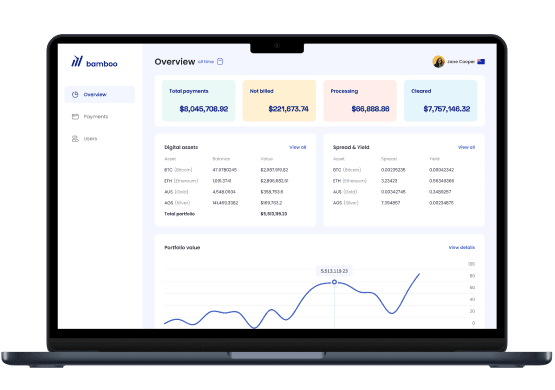
Learn how we built macro-investing app with its own token and reward system
WillowTree
WillowTree, now part of TELUS Digital, is a well-known app development firm building user-centric financial applications with an emphasis on customer experience.
Main focus: Experience-led digital products for financial services.
Core services:
- Mobile and web app development.
- Custom fintech software solutions.
- AI and machine learning integration.
- UI/UX design and development.
- Ongoing support and optimization.
Best suited for: Enterprises that want a high-end, experience-led partner with the backing of a large parent company.
Strengths:
- Strong design and customer-experience reputation.
- Enterprise stability and scale through TELUS Digital.
Limitations:
- Enterprise pricing and process, less suited to early-stage startups.
- Brand and ownership transition under TELUS Digital is still settling.
Rating: 4.9/5 from 24 reviews on Clutch.
Zazz
Zazz is a digital product agency focused on custom software and mobile apps, with stated experience across fintech, healthcare, and e-commerce and an emphasis on user-friendly design.
Main focus: Design-focused digital products across industries.
Core services:
- Custom mobile app development.
- Web and software development.
- UI/UX design and branding.
- Product strategy and consulting.
Best suited for: Clients that want a design-focused mobile partner across multiple industries.
Strengths:
- Consistently strong reviews for planning, communication, and on-time delivery.
- Recognized repeatedly as an application-development leader.
Limitations:
- Broad multi-industry positioning rather than fintech-specific depth.
- Less visible track record on heavy financial back-end systems.
Rating: 4.9/5 from 39 reviews on Clutch.
Zco Corporation
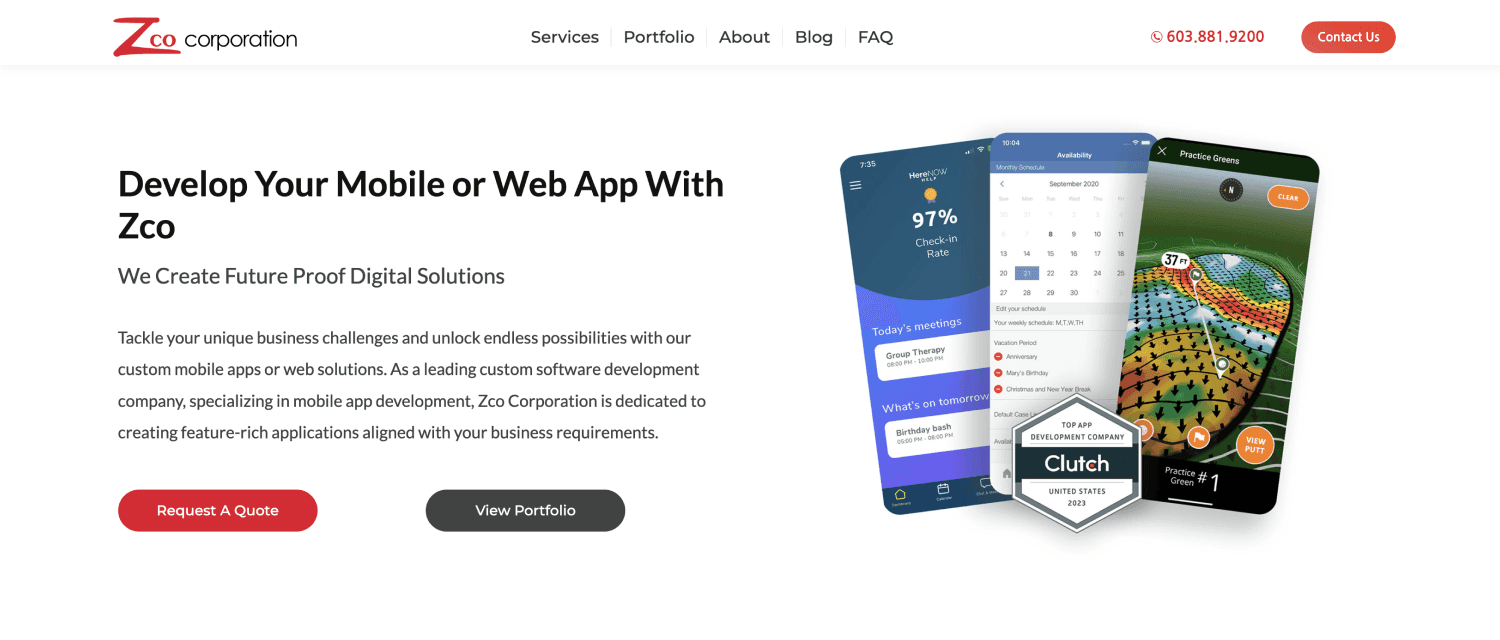
Zco Corporation offers FinTech app development, including mobile banking apps, payment solutions, and financial management tools, with a long history in mobile development.
Main focus: Secure financial software with a mobile heritage.
Core services:
- Mobile app development for financial services.
- Custom financial software development.
- Integration with third-party financial systems.
- Data security and compliance solutions.
- Post-launch support and maintenance.
Best suited for: Clients that want an established, dependable mobile development partner.
Strengths:
- Long track record and consistently high communication scores.
- Recognized as a development global leader on Clutch.
Limitations:
- Less public emphasis on emerging tech like AI or blockchain than some peers.
- Mobile-development heritage over deep financial-platform engineering.
Rating: 4.8/5 from 58 reviews on Clutch.
Key Challenges in Financial App Development
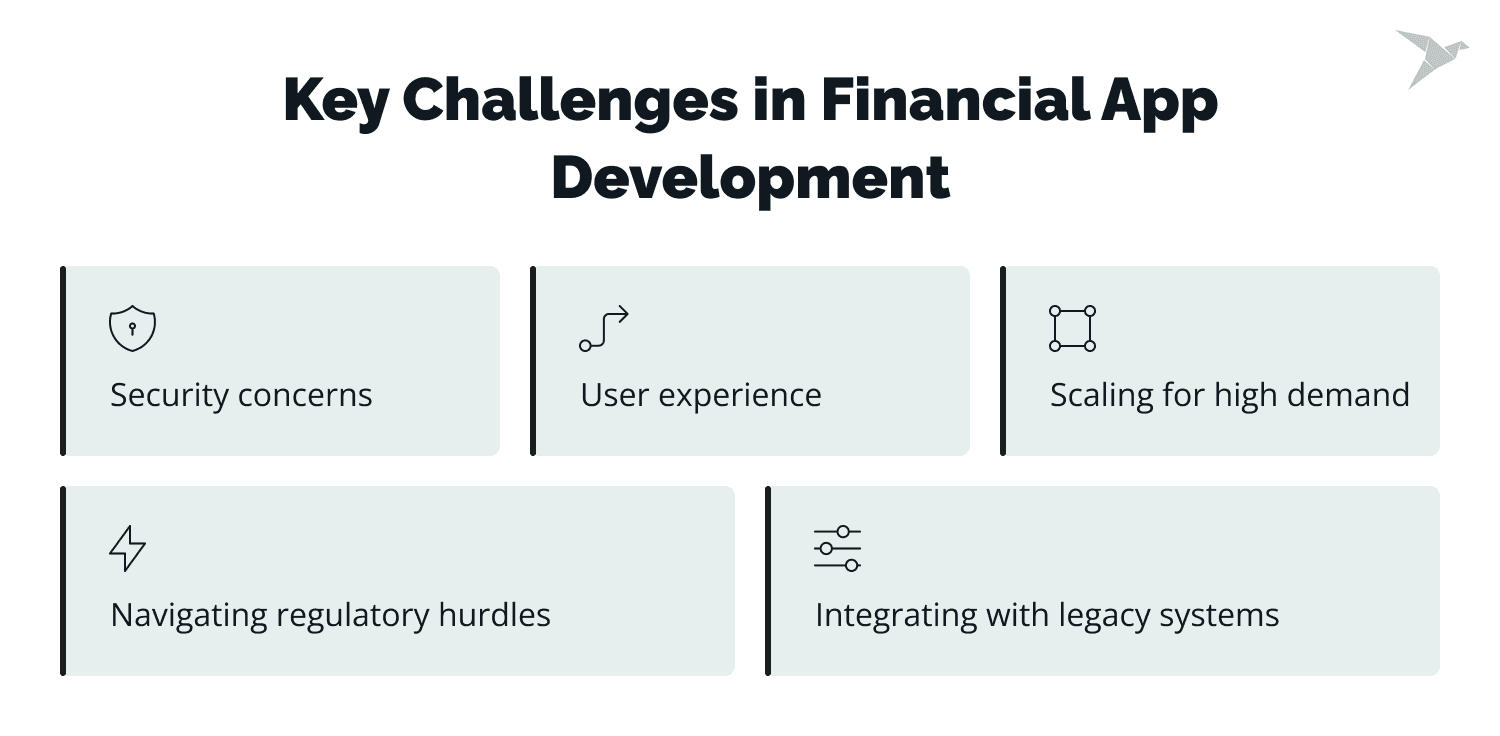
Financial apps carry constraints most software does not. Here are the challenges that most often decide a project, and how capable fintech teams generally handle them.
Security: keeping user data safe
When users trust an app with their money and personal data, there is no room for error. A single breach can cause direct losses and lasting damage to trust. Strong teams build with end-to-end encryption, multi-factor or biometric authentication, and continuous vulnerability testing rather than treating security as a final checklist. Running regular penetration tests to find and fix weaknesses before release is a common marker of a serious partner.
Regulatory compliance
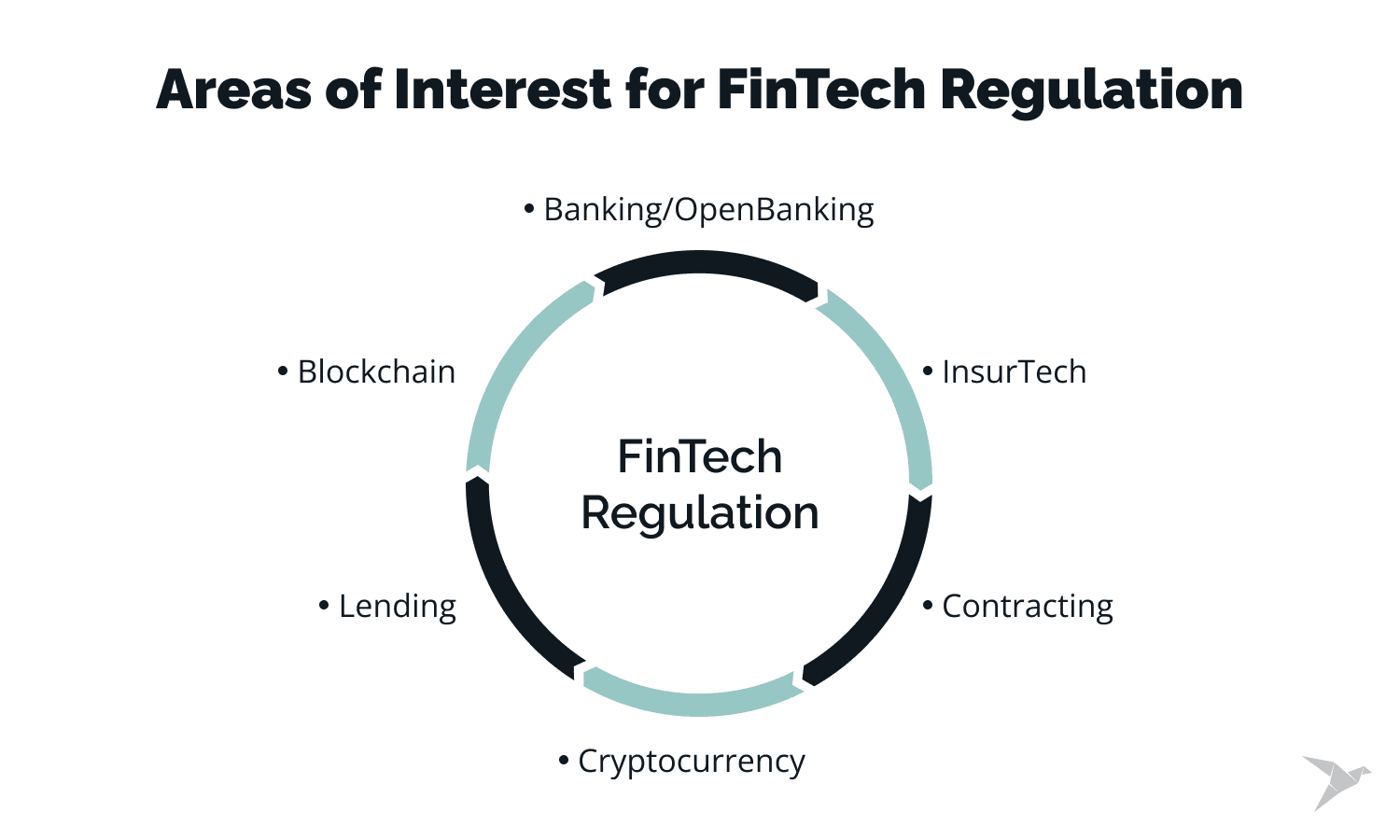
Finance is among the most regulated industries, so compliance is mandatory. Rules such as GDPR, PCI DSS, and KYC/AML apply across regions, and missing them invites fines and reputational harm. Experienced teams keep compliance in view from the first design decision, bring in regulatory expertise where needed, and maintain the audits and documentation that keep a product defensible.
Integrating with legacy systems
Many financial institutions still run on older core systems that do not interoperate cleanly with modern apps. These systems often lack clean APIs, so bridging them takes custom integration work. Capable teams use custom APIs and middleware to connect new applications to legacy infrastructure without forcing a full rebuild, tailoring the approach to each client's environment.
User experience under high stakes
Financial apps have to make complex tasks feel simple for everyone, from first-time users to advanced ones. Clunky design pushes users away quickly. Teams that do this well invest in UX research and user testing at every stage, turning dense financial data into clear, approachable interfaces.
Scaling for demand
Popular financial apps have to handle growing users and transaction volumes without degrading. Strong teams design for scale from the start, using cloud-based architecture, microservices, and load balancing so performance holds up as traffic grows
How to Assess a Financial App Development Company
Choosing the right partner shapes the security, compliance, and ultimate value of your product. Because finance is so heavily regulated, evaluating candidates rigorously is essential. Here is a practical way to do it.
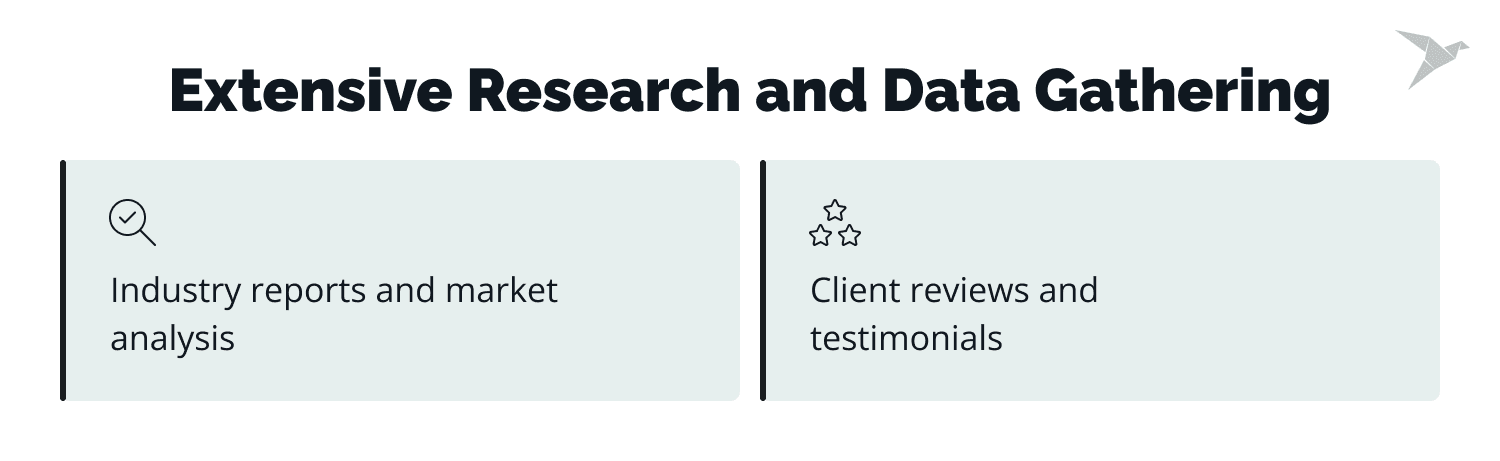
- Experience and expertise. Favor companies with real financial software experience: mobile banking, trading, payments, or insurance. Check their portfolio for relevant past projects, and look for senior, finance-literate engineers on the team.

- Technical skills and stack. Confirm that the company uses current technologies and can build secure transactions, mobile banking, and trading features, with the ability to tailor solutions to your needs.

- Security and compliance. Your partner must meet regulatory standards and use up-to-date encryption, ideally with prior experience demonstrating those skills.

- Client reviews and references. Reviews reveal reliability, project management, and communication. In our experience, clear communication is decisive, and that runs both ways: your team also has to share accurate information.

- Post-development support. Financial apps need ongoing maintenance, security patches, and updates, so confirm the company offers dependable long-term support.
Why Choosing the Right Partner Matters
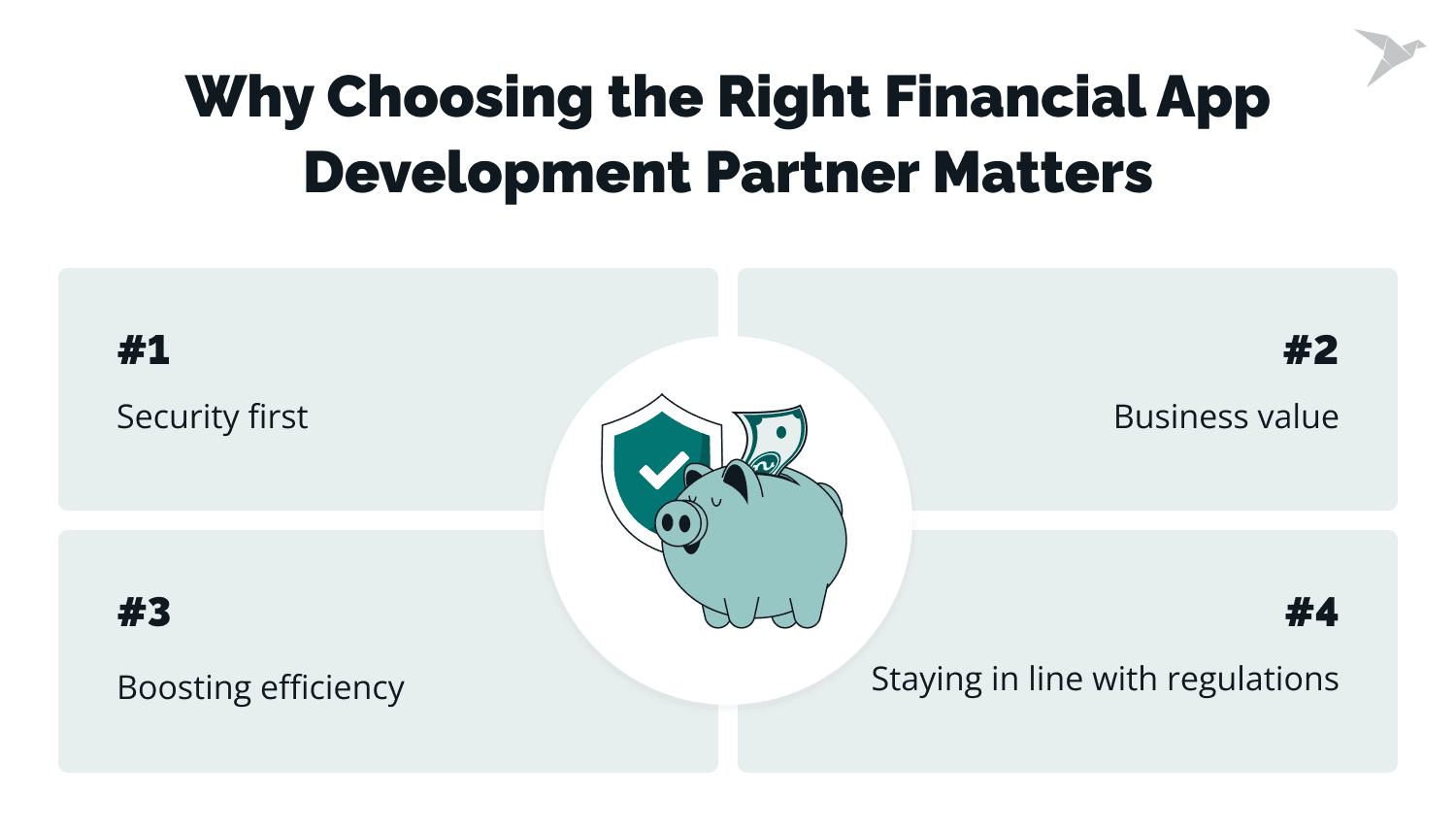
In finance, the development partner you pick affects security, compliance, efficiency, and business value all at once.
Security comes first. A single breach can mean serious financial loss and lasting reputational damage, so the right partner prioritizes encryption, frequent penetration testing, and current security practices throughout the build.
Compliance must be built in, not bolted on. Truly experienced financial developer knows GDPR, PCI DSS, and related rules, and builds to meet them so the product stays defensible rather than scrambling to retrofit compliance later.
Efficiency improves the bottom line. Well-built financial software streamlines operations and cuts costs. Teams skilled in AI-driven features can reduce manual work and open room for innovation without sacrificing security or compliance
Business value follows quality. Done well, a financial app drives growth, improves customer satisfaction, and attracts new clients. A capable partner keeps business value in view from day one and supports the product after launch.
Most Requested Financial Software Development Services in 2026: An Overview
In 2026, we saw demand for financial software jump, pushed by new technology and shifting customer expectations. Here's a rundown of what clients ask for most, with a few numbers alongside:
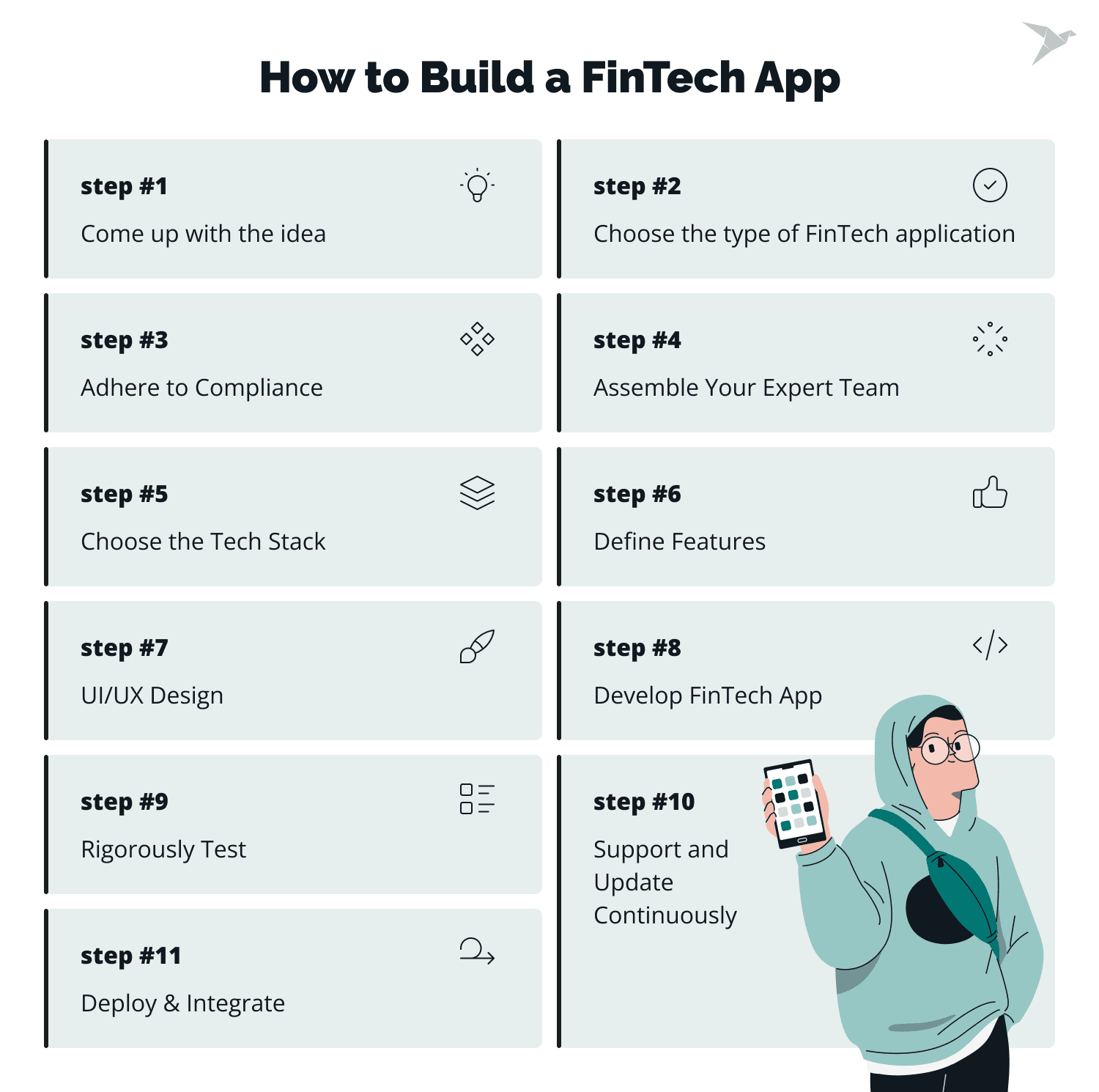
To give you an understanding of demand vs proposition, here's a comprehensive overview of the most requested services, along with some pertinent statistics:
Mobile apps for banking
Mobile banking apps still lead the pack. They let people bank anytime, from anywhere, and as usage keeps climbing, building them to be secure and easy to use stays a top priority.
Investment and trading platforms
Investment apps are in heavy demand, the kind that let people manage a mixed portfolio of equities, debt, gold, and crypto in one place. Real-time updates and market insight are what help users decide.
Insurance applications
Insurance software simplifies life for policyholders and claimants by putting every insurance task in one portal. Automating claims and the rest cuts operating costs and keeps users engaged.
Accounting and budgeting software
Personal-finance apps for budgeting, accounting, and expense tracking have become everyday tools for people and businesses alike. Many fold in investment tracking, tax guidance, and security features so the whole picture lives in one place.
Cryptocurrency and Decentralized Finance (DeFi) Apps
As digital currencies grow, so do crypto wallets and DeFi platforms. They handle secure transactions and open up financial services without a bank in the middle.
The FinTech market in 2026
Demand for financial software has never been higher. The global FinTech market was valued at USD 394.88 billion in 2025 and is on track to hit USD 1.76 trillion by 2034, growing at an 18.20% CAGR (Mordor Intelligence). Asia-Pacific holds the largest regional share and is forecast to grow fastest through 2030. For anyone building or modernizing a financial product, the window for moving slowly is closing.
What's driving growth in FinTech
Several forces are pushing the financial sector forward at once. Open banking has made it easier for third-party apps to connect with bank accounts, creating demand for integration-heavy products. Embedded finance has pushed financial tools into non-financial apps, lending inside e-commerce, insurance inside ride-sharing.
AI is being applied to fraud detection, credit scoring, and personalized advice. And the shift to mobile-first behavior means that mobile application development is the primary channel for millions of users managing money every day.
What companies are building right now
The most requested projects in 2026 reflect those trends. Mobile banking apps remain at the top of the list, followed by investment and trading platforms, payment infrastructure, insurance software, and accounting and budgeting tools. Crypto and DeFi applications are still active despite regulatory uncertainty, and AI-powered personal finance tools are gaining ground fast. Companies that want to compete in this environment generally need custom solutions rather than off-the-shelf software – financial use cases are specific enough that generic platforms rarely fit without significant modification.
What it actually costs to build
Financial software development cost varies widely depending on complexity. A straightforward mobile banking app with standard features typically starts around $50,000–$80,000. A full-featured trading platform or core banking integration can run $300,000–$500,000 or more, with compliance and security work adding 20–30% on top. The development process matters as much as the budget – projects that rush past security testing or skip regulatory review tend to face expensive fixes after launch. Getting that right requires working with teams that have built in regulated environments before.
Wrapping Up
Your development partner determines how secure the codebase is on day one, how well the product handles compliance changes, and whether it performs under real load. With 7,220 companies specializing in financial mobile app development, financial app developers vary sharply in quality: some teams treat compliance as a late-stage checklist; others design for it from the first architecture decision.
That gap shows up in audit results, incident response times, and long-term user trust. Verify a partner's track record against your specific regulatory complexity and integration requirements, and confirm they provide ongoing security patches and SLA-backed incident response. Financial products require maintenance well after launch.
What the data tells us about users
More people are managing investments, insurance, and budgeting from mobile than ever, and they expect financial apps to match the quality of consumer products. Slow load times, clunky navigation, or unclear transaction flows drive users away fast. In finance, lost trust rarely comes back. High-performance mobile apps with performance and UX baked into the architecture from day one retain users; those treated as an afterthought don't.
Where fintech development is heading
Fraud detection, credit assessment, and personalized guidance are becoming AI-driven by default. AI can also detect anomalies to reduce credit card fraud, making it a core security layer, not just a feature. Voice interfaces are following the same path in mobile banking, and open banking is deepening with more institutions opening APIs.
Market size
The fintech market reached $394.88 billion in 2025, projected to hit $1.76 trillion by 2034 (18.20% CAGR - nearly double general software at 7-10%). FinTech AI agents were valued at $7.84 billion in 2025 and are expected to reach $52 billion by 2030. Asia-Pacific holds the largest regional share and is forecast to grow fastest through 2030.
Across the financial sector, growth is driven by open banking, embedded finance (lending inside e-commerce, insurance inside ride-sharing), AI adoption, and the shift to mobile as the primary channel for managing money. In 2026, the most-built products are mobile banking apps, investment and trading platforms, payment infrastructure, insurance software, and AI-powered personal finance tools. Custom development is typically required as generic platforms rarely fit without significant modification.
Regulation and timelines
DORA and MiCA are in effect in Europe; similar frameworks are coming elsewhere. Teams that build compliance in now adapt far cheaper than those retrofitting later. Development timelines run 3-6 months for simple mobile banking apps to 12-24 months for platforms with legacy integration or blockchain, and compliance and security testing (2-6 months) is the main delay, not core dev. Financial apps with poor UX see 40%+ abandonment; those that iterate on feedback show 2-3x higher retention and NPS.
What it costs
Financial software development cost ranges from $50,000-$80,000 for a simple mobile banking app to $300,000-$500,000+ for a full-featured trading platform or core banking integration, with compliance and security adding 20-30% on top. Complex systems for BFSI operations can exceed $2,000,000.
Rushing past security testing or skipping regulatory review leads to expensive fixes after launch. Teams that have built in regulated environments cost more upfront and less overall.
What top companies look like
Companies offer over 128 types of financial software services, but top financial software development companies share a consistent profile: DORA, MiCA, and GDPR built in (not bolted on), security-first architecture, AI capabilities across fraud detection, personalization, and voice, 4.8-4.9/5 on Clutch, transparent pricing, in-house compliance teams, and long-term partnerships. AI-driven personalization is now a baseline expectation. Domain depth, understanding financial products and staying current on regulatory change, separates them from generalists.

FAQ

Look for demonstrated experience in regulated sectors - banking, payments, or trading. Check for security certifications (SOC 2, ISO 27001), and verify the team knows GDPR, PCI DSS, KYC/AML, DORA, and MiCA. Any fintech software development company worth hiring puts senior engineers with financial software development experience and in-house penetration testing on the team; that matters more than vendor certifications.
Minimum spend for financial software development can start at $1,000, though production-grade financial app development costs range from $50,000 for simple mobile banking apps to $500,000+ for core banking integration or AI-driven trading platforms.
Cost drivers are regulatory compliance (GDPR, PCI DSS, KYC/AML add 20-30%), legacy system integration (add 30-50%), and geographic region. The global fintech market reached USD 394.88 billion in 2025, with custom development representing 15-20% of total spending. Always get itemized quotes covering compliance, security, and infrastructure separately.
Non-compliance means fines up to 4% of global revenue under GDPR, criminal liability, and shutdown risk. Retrofitting compliance costs 3-5x more than designing for it upfront - and a single data breach in financial transactions can permanently destroy user trust. As of 2025, financial software development services must address GDPR, PCI DSS v4.0, KYC/AML, DORA, and MiCA. Require partners to show compliance through documented processes and third-party audits.
Quality financial app development services include post-launch support: security patches within 48 hours of discovery, quarterly penetration testing and compliance audits, 24/7 incident response for financial transactions or data breaches, and regulatory updates as GDPR, PCI DSS, DORA, and MiCA change. Get SLAs in writing specifying response and resolution times. Ongoing support typically runs 15-25% of the original development budget annually.
Secure financial transactions require TLS 1.3+ encryption in transit, AES-256 at rest, multi-factor authentication (biometric or hardware token over SMS), and tokenization of payment data. PCI DSS v4.0 compliance is mandatory from March 2025. Hardware security modules (HSMs) handle key management. Verify the partner has in-house security expertise and can show security audits from the last 12 months plus SOC 2 Type II certification.
Core: secure biometric login, real-time balance and transaction updates, push notifications, P2P payments, budgeting or portfolio tools, and transaction history with export. Advanced features gaining adoption are voice-activated banking, AI-driven financial advice personalization, blockchain-based international transfers, and open banking API integrations for aggregated financial data.
Custom software solutions give you proprietary features, data ownership, and full control over compliance requirements. All of this are critical when integrating with legacy systems or building trading platforms, core banking, or payment networks. Off-the-shelf platforms are faster to launch but limit customization and create vendor dependency. In the financial services industry, compliance and UX requirements are too specific for generic products to cover well.