 Software Development
 Security Services
 Cloud Services
 AI Services
 Other Services
Building responsive web platforms
Developing seamless interfaces
Ensuring robust server systems
Validating ideas with prototypes
Designing scalable cloud-based solutions
Upgrading outdated systems effectively
Innovating with advanced technology
Go to market faster
Scale confidently
Connecting devices end-to-end
Comprehensive protection against threats
Attack simulation to identify vulnerabilities
Proactive security management outsourcing
Achieving ISO 27001 certification standards
Preparing for SOC2 audit compliance
Expert cybersecurity leadership on-demand
Human-based security breaches prevention
Security integration into DevOps
Comprehensive security for your apps
Ensure full compliance with healthcare regulations
Identify and fix security weaknesses
Find what attackers exploit
End-to-end cloud solutions for scalable, secure growth
Strategic guidance to shape your cloud direction
Deploying production-ready cloud foundations at scale
Moving workloads to cloud with predictable outcomes
Strategic AWS guidance for secure, scalable adoption
Deploying production-ready AWS environments
Secure, low-risk transition of workloads to AWS
Protecting AWS infrastructure with built-in governance
Strategic Azure guidance for enterprise cloud adoption
Advising teams to unlock full potential of GCP
Automating delivery and infrastructure operations
Improving performance while maintaining cost control
Building intelligent Al solutions
Explore OpenAI model-based solutions
Unlock potential of Generative AI
Implement Gen AI solutions
From AI code to full product
AI agents with measurable ROI, secure integration, and long-term scalability
Custom ML models tailored to your business goals
Security designed around your AI
Build an AI governance framework that holds up in an ISO 42001 audit
Project scope and vision defining
Creating intuitive, user-friendly designs
Automated testing for accuracy
Transforming data into insights
Expert leadership without hiring
CRM capabilities maximization
Controlled delivery and maintenance
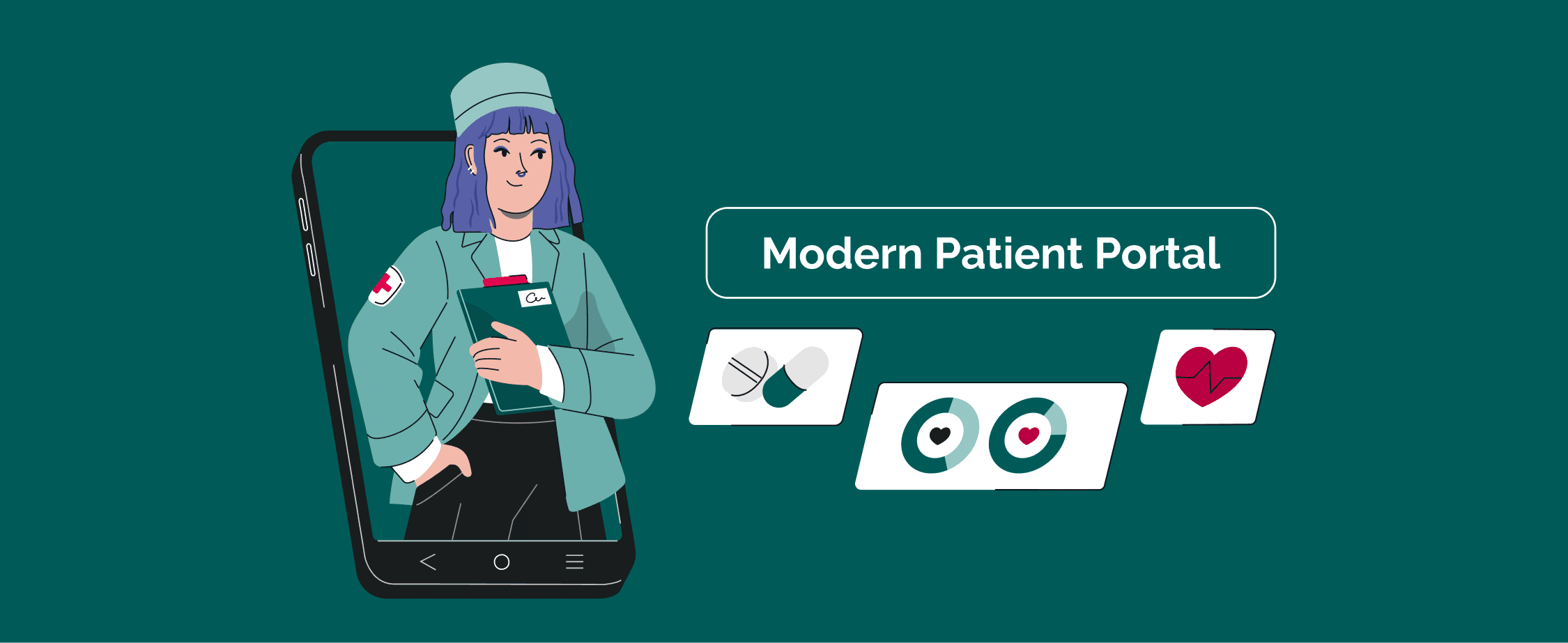
We build HIPAA-ready healthcare platforms, FHIR/HL7 integrations, and AI solutions for health-tech teams, from MVP to scale.
Healthcare AI DevelopmentMedplum DevelopmentMedplum ImplementationPatient EngagementTelemedicine SoftwareRemote Patient MonitoringEHR/EMR DevelopmentHealthcare AppsClinical Trial SoftwareHealthcare IT ConsultingHealthtech Cybersecurity



We develop digital solutions for hospitality that enhance guest experiences, optimize operations, and boost service efficiency across hospitality businesses
We specialize in building secure, scalable financial apps, including trading systems and banking infrastructure, that validate business ideas in the financial sector
We develop powerful marketing apps that drive campaign management, engagement tracking, and analytics to help you achieve promotional goals
We build apps with rich functionality for talent and employee engagement, HR processes, payroll management, and performance tracking

AI-powered, video-first hiring platform for candidates and employers

Micro-investment app

Platform for medical administration

Business process visualization app
AI-powered guide for Salesforce

HIPAA-compliant EMR portal

Full-fledged cybersecurity program

Penetration tests for fintech company

Penetration test of cloud-native hospital management system

TechMagic is a full-cycle software product development company
Read what our clients say about TechMagic
Discover more about our custom-built teams for your project
Find out how a remote research and development center works
Explore more about scalable solutions with fixed pricing
Discover our M&A vision and philosophy
Explore our certifications and recognitions
Find answers to the most commonly asked questions
Nearshore outsourcing and/or hybrid teams for max ROI


Discover relevant job opportunities and become a part of the TechMagic team
Join TechMagic to grow as a professional in a supportive environment
Discover opportunities for tech talent in Brazil, Colombia, and beyond — remote-first roles with global clients.
Enjoy a full social package and benefits that support your well-being, growth, and work-life balance
 TechMagic Academy
Grow with courses that will prepare you to work at TechMagic. Top students will get a chance to join our team.