












Chronic Care Management Software: RPM Plus the Adherence Patients Stick With
Last updated:19 August 2026


When you are standing up a Chronic Care Management program, two worries sit on top of the pile. Will enough patients stay engaged each month to bill, and will the software handle Medicare billing cleanly enough to survive an audit? Get both right, and you have recurring reimbursement, better outcomes, and patients who stay.
On the other hand, get either wrong and the program quietly stalls. Chronic care management software is the tool that decides which way it goes.
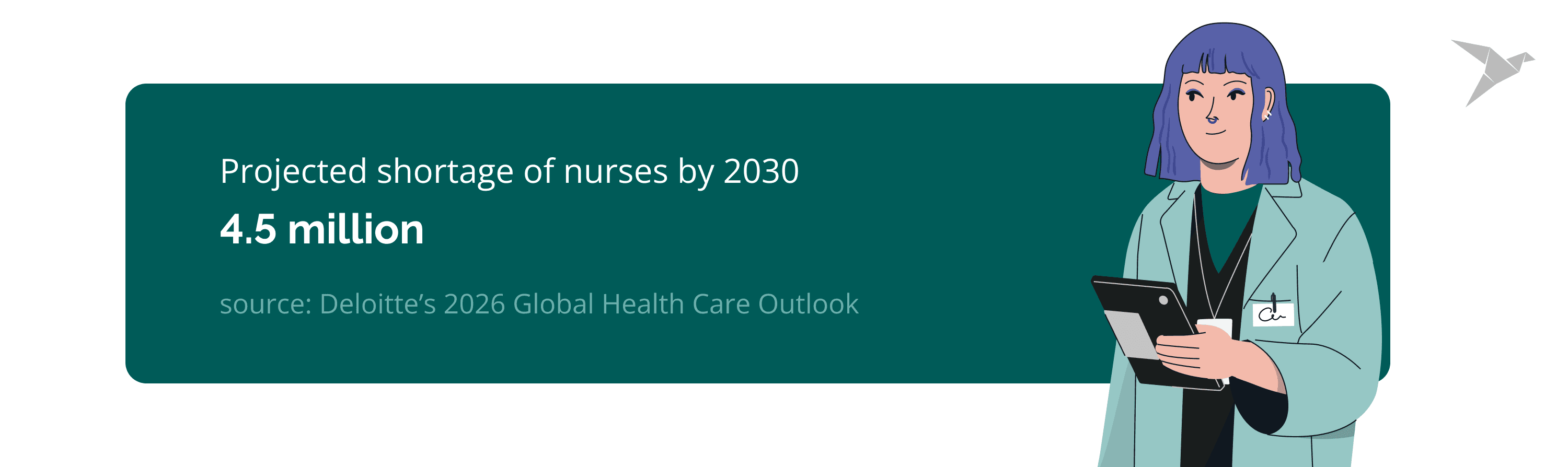
Deloitte’s 2026 Global Health Care Outlook cites a projected shortage of 4.5 million nurses by 2030, which is exactly why a program built around non-face-to-face care needs software that makes scarce clinician time go further.
In this guide, we answer five questions: what CCM software is, how it differs from RPM, why adherence is the real constraint, how the software supports CMS billing, and whether to build or buy.
Key takeaways
- Chronic care management software is the platform a care team uses to deliver and document Medicare Chronic Care Management: care plans, outreach, time tracking, and billing for non-face-to-face care.
- Effective CCM software can reduce hospital readmissions by 22%.
- CCM and RPM are different programs with different Medicare codes. RPM moves device data; CCM coordinates ongoing care. They are strongest when run together.
- Adherence is the constraint. CCM reimbursement only works when enrolled patients stay engaged month over month, so retention is a software design problem.
- Good software captures the time and documentation CMS requires and maps it to the CCM codes. It supports accurate billing; it does not guarantee reimbursement.
- Buy when a standard program fits; build a custom chronic care management platform when patient enrollment, adherence, integrations, or your care model are the differentiator.
What Is Chronic Care Management (CCM) Software?
Chronic care management software is the platform a care team uses to deliver and document Medicare Chronic Care Management:
- care plans;
- patient outreach;
- time tracking;
- billing for non-face-to-face care of patients with multiple chronic conditions.
What CCM is as a CMS program
Chronic Care Management is a Centers for Medicare & Medicaid Services (CMS) program that pays providers to coordinate care for patients with two or more chronic conditions between visits. To be eligible, a patient needs chronic conditions expected to last at least 12 months, and the program depends on patient consent recorded before any billing begins.
The program only pays when the coordination is delivered and documented to a standard, and the software exists to capture that documentation as the care team works. CCM gives healthcare organizations a way to fund the ongoing care coordination that a value-based care model expects. They can do it without adding a face-to-face visit for every touchpoint. It generates audit-ready documentation for Medicare claims.
What the software actually does day to day
Day to day, a healthcare chronic care management software platform holds each patient’s care plan, prompts and logs outreach, tracks the minutes the care team spends, and rolls that record into a billable claim. Whatever you call it, health chronic care management software earns its place by doing this reliably enough to bill on.
A good platform also surfaces which patients are slipping so a care manager can reach them before they disengage. It gives the entire care team centralized access to the patient chart and patient information, so a nurse, a care coordinator, and the billing clerk all work from the same record instead of separate spreadsheets.
That shared record is where medication management lives too: the current medication list, reconciliation after a hospital stay, and the flags that catch a patient on multiple medications heading toward a conflict. Two capabilities decide whether the program works: adherence and billing.

How Is CCM Software Different From RPM Software?
RPM software moves and monitors device data such as readings and alerts, while CCM software coordinates and documents ongoing care such as care plans, time, and billing. They are different CMS programs with different codes, and they are strongest when combined.
RPM: device data and monitoring
RPM is the device and data plumbing. It connects a blood-pressure cuff or glucometer, stores readings safely, and raises an alert when a value crosses a threshold. That device layer runs deep, and our remote patient monitoring software work covers it in detail.
CCM: care coordination, time, and billing
CCM is the coordination layer that turns signals into action and into a billable record. When an RPM alert fires, CCM is where a care manager calls the patient, updates the care plan, and logs the time. RPM software for chronic care management is the overlap most programs want: the reading and the response, connected.
Why programs run them together
Programs run RPM and CCM together because each covers the other’s gap. RPM without coordination is a data dump no one acts on, and CCM without device data relies on patients self-reporting. Together they give the care team a reason to reach out and a record that supports the claim.
HIPAA-compliant app built with Medplum to support early cancer detection

How Does CCM Relate to Other Medicare Care Programs?
CCM sits alongside several other Medicare care-management programs, and knowing where it stops helps you scope the software. Transitional care management (TCM) covers the 30 days after a hospital discharge, principal care management (PCM) covers a single serious chronic condition, and behavioral health integration (BHI) covers mental-health care delivered with the primary care team. Chronic care management is the ongoing program for patients with two or more conditions.
Transitional care management and CCM
Transitional care management handles the risky handoff home from the hospital, while CCM carries the ongoing care coordination once that window closes. Software that supports both lets a care team move a patient from TCM into a chronic care program without re-entering the patient chart, which keeps the record clean and the billing separate.
Principal care management and CCM
Principal care management serves a patient with one high-risk condition rather than the two-or-more that CCM requires. A platform built for chronic condition management should handle both, because a patient can start in PCM and become CCM-eligible as another condition is diagnosed.
Where behavioral health fits
Behavioral health integration brings mental-health support into primary care, and it often runs next to a CCM program because chronic disease and depression travel together. Treating behavioral health integration as part of the care model, rather than a separate tool, is one way healthcare providers improve care quality for the whole patient.
Why Does Patient Adherence Make or Break a CCM Program?
Patient adherence makes or breaks a CCM program because reimbursement depends on enrolled patients engaging every month. If patients drop off, the clinical benefit and the billing both collapse at the same time. Generic tools underperform on exactly this point, and it is the part of the build we care most about.
Why enrolled does not equal engaged
Enrolling a patient is easy; keeping them engaged takes sustained effort. Someone signs a consent form, then misses the next three check-ins, and the month produces neither a clinical benefit nor a billable record. Enrollment counts for the program only when it turns into monthly engagement.
What drives patients to stick with a program
From our connected-health and adherence work, patients stay when the experience fits their life: reminders that arrive at the right moment, check-ins that take seconds, and a human who calls when something looks off. Patient engagement is a design outcome that you build toward touchpoint by touchpoint. The programs that retain patients treat every touchpoint as something a busy, often older patient will actually complete.
Personal relationships do more for patient retention than any feature. When the same medically trained care manager calls each month, the patient answers, and clear patient communication turns into medication adherence and follow-through on the care plan. The software’s job is to protect that relationship: give the care manager the context to make the call short and useful, and prompt the patient toward self-management between calls.
How to measure retention and act early
Measure retention as a live number rather than a month-end report. When engagement drops, the platform should trigger proactive interventions, routing a patient who misses two check-ins to a care manager for ongoing support before the relationship goes cold. A CCM program that watches this signal keeps more chronic patients enrolled, which protects both the clinical benefit and the billable month.
What adherence looks like in the software
In the software, adherence shows up as timely reminders, low-friction check-ins, and clear signals that route a slipping patient to a care manager. The tooling does the prompting and the flagging; a person does the outreach that keeps the relationship alive. Any risk flag or alert assists the care team under human oversight and never makes a clinical decision on its own.
What Should Chronic Care Management Software Do?
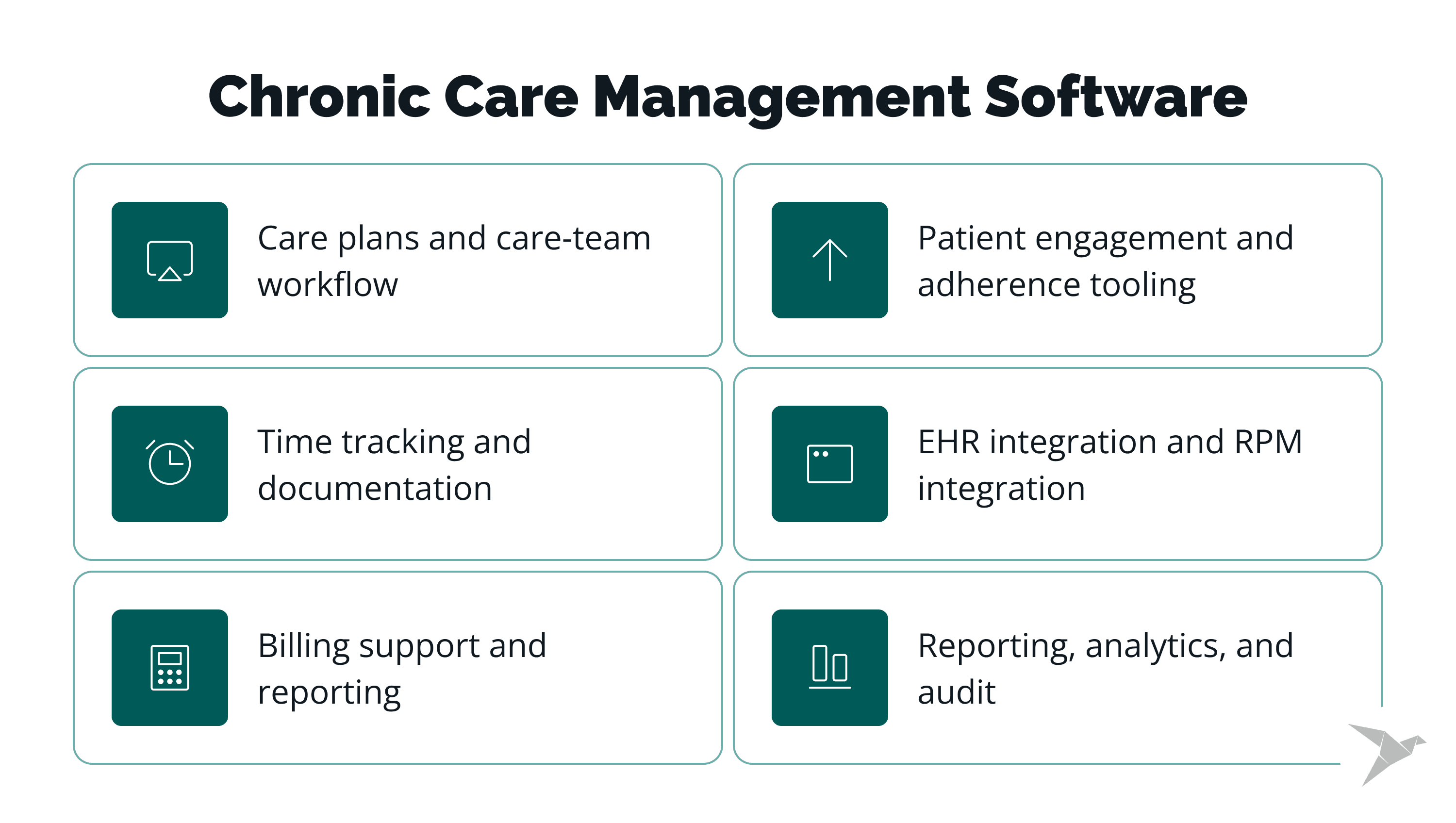
A capable chronic care management platform needs six things, and you can score any vendor or build against them. Most chronic care management solutions cover some of the list; the ones worth choosing cover all of it. The checklist below is what separates software that supports a real program from a documentation shell.
- Care plans and care-team workflow. A living care plan each team member can update, with tasks routed to the right person.
- Patient engagement and adherence tooling. Reminders, check-ins, and slip detection built for retention.
- Time tracking and documentation. Automatic capture of the minutes and notes CMS requires, tied to each patient.
- EHR integration and RPM integration. A clean EHR integration with the record system, plus a data exchange with the device layer.
- Billing support and reporting. Time and documentation mapped to the CCM codes, with an audit-ready trail.
- Reporting and audit. Program-level visibility into enrollment, engagement, and billable activity.
Care plans and care-team workflow
The care plan is the spine of the program, so the software has to make it easy to keep current across a team rather than trapping it in one person’s notes. A comprehensive care plan holds the patient’s conditions, goals, medications, and care-team contacts in one place, and personalized care plans adapt that structure to each patient instead of forcing everyone through the same template.
Clear clinical workflows then route each task to the right person, so the care manager, the nurse, and the primary care provider all know what they own. Intuitive software matters here more than feature count: a care plan the team finds awkward is a care plan that goes stale.
Patient engagement and adherence tooling
Engagement tooling is where retention is won or lost, which is why we treat it as core rather than an add-on. A care plan matters only if the patient stays in the program long enough to follow it.
Time tracking and documentation
Time tracking has to be automatic and precise, because the minutes are the billable unit and the audit trail at once. Manual timers get forgotten, and forgotten time is unbillable time.
EHR/FHIR and RPM integration
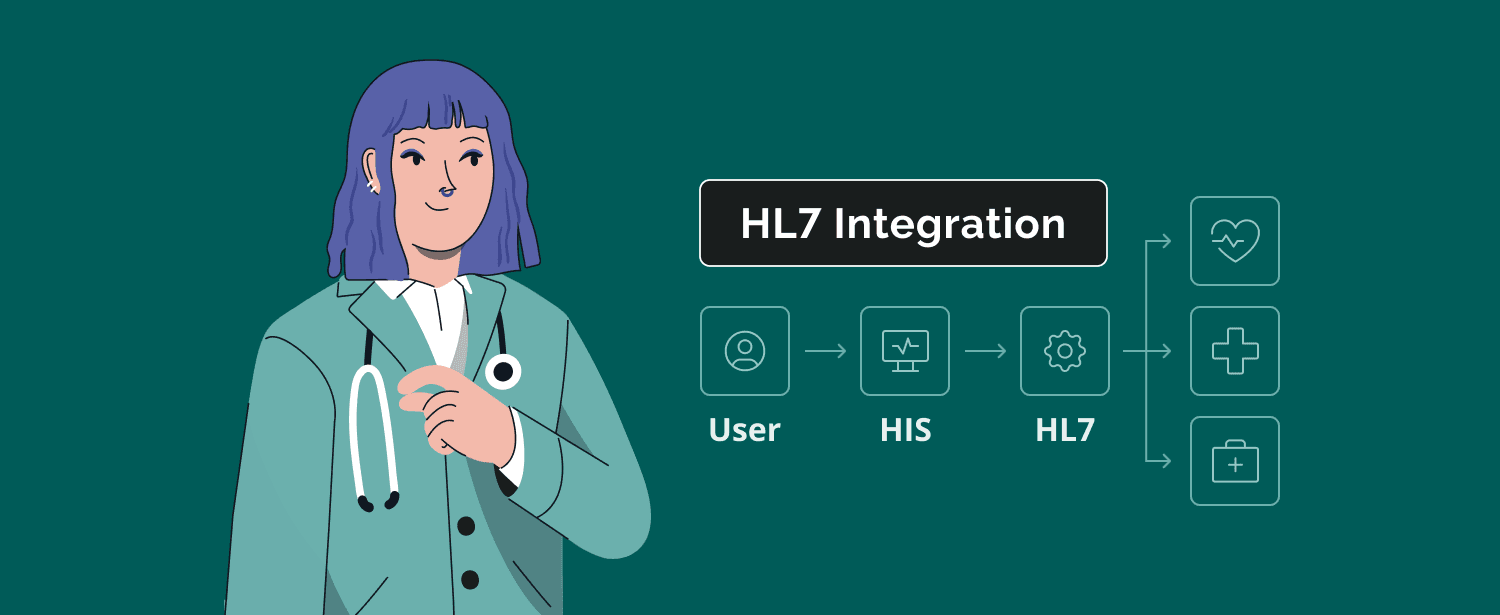
Integration is where most builds get hard. A CCM platform should exchange data with the Electronic Health Record (EHR) through Fast Healthcare Interoperability Resources (FHIR), the modern healthcare data standard, and pull in RPM device readings. Our healthcare app development services center on exactly this kind of data exchange between clinical systems.
Billing support and reporting
Billing support ties the whole record together, mapping documented time to the right codes and giving program owners a report they can defend. Good reporting also tells you which patients are about to lapse, which is the earliest warning you get before revenue drops.
Reporting, analytics, and audit
Reporting turns the day-to-day record into the robust data a program owner needs to run the business. Useful analytics dashboards show enrollment, engagement, and billable activity at a glance, and they lower the administrative burden of proving the program works. The same data supports a Medicare audit: when documentation is clean and centralized, an audit becomes a report you export rather than a scramble across systems.
How Does CCM Software Support CMS Billing?
CCM software supports CMS billing by capturing the time and documentation the program requires and mapping it to the CCM CPT (Current Procedural Terminology) codes so the program can bill correctly. Because the CCM CPT codes are Medicare codes, a Medicare chronic care management software setup has to record exactly what each code expects. It records consent, keeps the care plan current, tracks minutes automatically, and shows when a patient has crossed the threshold for a given code.
The CCM code family maps to time. As a high-level guide from the CMS Chronic Care Management Services reference, CPT 99490 covers the first 20 minutes of clinical-staff care coordination in a calendar month, 99439 covers each additional 20 minutes, and 99491 covers the first 30 minutes when the physician or qualified practitioner does the work personally.
Complex CCM uses 99487 and 99489 for higher-effort cases. Because only one practitioner can bill CCM services for a patient in a given month, the software has to make ownership of each patient unambiguous. These codes, minute thresholds, and rates change from year to year, so treat this as orientation and confirm the current set with CMS or your biller.
The important boundary: the software supports accurate billing, and it does not guarantee reimbursement. CCM codes, time thresholds, and CMS requirements change, so confirm current rules with CMS or your billing team before you rely on them. Treat the billing features as workflow support that keeps your documentation clean rather than as reimbursement or compliance advice.
Check our
Build vs. Buy: Custom or Off-the-Shelf CCM Software?
Off-the-shelf software fits a standard program you can adapt your workflow to, while custom chronic care management software fits when adherence, integrations, or your care model are the thing that sets you apart. The honest trade-off is speed and cost against fit and ownership.
Most programs should buy if a standard tool covers them. Build when engagement or integration is your differentiator and a generic tool would cap your growth. That is the point where a partner earns its place, and it is the decision our discovery work is designed to de-risk before you commit budget.
How Do You Choose CCM Software?
Choose CCM software by testing it against your own program rather than a feature list. Start with the key features that a real program leans on every day, then check the parts that only show up under load. The goal is software your care team will actually use, because an unused tool bills nothing.
What to check before you commit
Ask for a live demonstration with your own scenario rather than a canned tour, and watch how many clicks a routine task takes. Weigh ease of use and scalability together: the tool has to stay workable as the patient panel grows from dozens to thousands.
So, read case studies from healthcare organizations that resemble yours, since a platform that fits a large hospital system may overwhelm a small primary care practice. Name your deal breakers early, whether that is a clumsy interface, weak EHR integration, or reporting you cannot audit.
Build the shortlist around fit
Score each option on care-plan quality, engagement tooling, billing support, and integration depth, and give extra weight to whatever drives your program. A CCM program that competes on adherence should test engagement features hardest, while one that competes on scale should press on clinical workflows and reporting depth. The right choice is the one that raises care quality without adding administrative burden.
How Do You Build Adherence Patients Actually Stick With?
Adherence comes from designing the patient experience around how people really behave, and adding more features rarely moves it. The programs patients stay in share a pattern: a simple onboarding, reminders timed to the patient’s day, a human care manager who reaches out, and a clear measure of who is slipping.
Start with onboarding that a non-technical, often older patient can finish on their own. Keep each check-in short enough to complete on a phone in a spare minute. Route the patients who miss two touchpoints to a care manager for a real call, because the human contact is what most often brings someone back.
Then measure engagement continuously, so a drop shows up as a signal you can act on rather than a surprise at month end. Done well, adherence protects both the outcome and the billing at the same time.
How adherence connects to outcomes
The reason adherence matters clinically is that chronic disease management works only when it is continuous. Enhanced care coordination between visits is how a program catches a rising blood-pressure trend or a missed medication before it becomes an emergency, and steady engagement is what gives the care team the chance to intervene.
Programs pursue CCM to improve patient outcomes and to reduce avoidable hospital readmissions, though the results depend on the clinical model and the population, not on the software alone. The honest framing is that good software makes better patient outcomes reachable by keeping patients engaged; the care team delivers them.
How Does TechMagic Build Chronic Care Management Software?
We build RPM and connected-health software and care-management products, and we design them for the engagement a CCM program depends on. Our healthcare work runs on FHIR-native and cloud platforms, so a CCM build connects to the EHR and to RPM device data through standards rather than brittle one-off links.
Teams that need their own record layer draw on our custom EHR/EMR development work for the same integration groundwork. Senior engineers review the architecture, because the mistakes that hurt most in clinical software are the ones caught late.
We ship HIPAA-ready software, and we design it to protect Protected Health Information (PHI) through every layer. That discipline matters: Verizon’s 2026 Data Breach Investigations Report found the human element in 54% of healthcare breaches, with misdelivery and simple error among the leading patterns, so we build for the way people actually use the system rather than the way a demo runs. We help teams get HIPAA-ready; the formal certification is issued by an accredited body rather than by us.
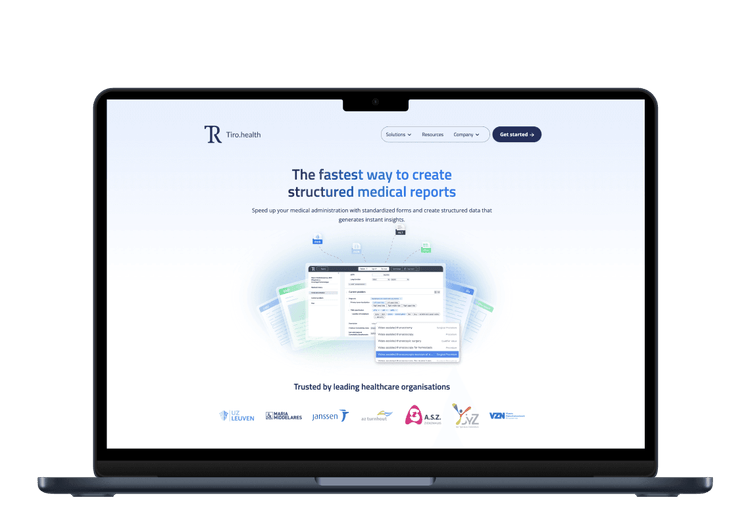
You can see the pattern in our delivery. We built a HIPAA-compliant EMR portal for MHC Healthcare, and a FHIR-based patient intake platform for Tiro.Health. The through-line is the same one a CCM program needs: clean clinical data, a workflow clinicians and patients actually use, and software that holds up in production.
digital platform for medical form management
Final Thoughts
The chronic care management software that wins is the one patients stay enrolled in and the one that makes CMS billing clean. Adherence and billing are the two levers, and RPM paired with CCM is the strongest setup because the reading and the response finally live in one place.
Where is this heading?
Engagement moves from a feature to the product. As programs compete on retention, the software that designs for adherence rather than listing it as a checkbox will pull ahead.
RPM and CCM keep converging. Buyers increasingly want one platform where device data drives coordinated action, replacing the two-tool setups that programs stitch together after the fact.
AI assists the care team, under human oversight. Deloitte projects the AI in health care market will grow from $39 billion in 2025 to $504 billion by 2032, and in care management that means smarter slip-detection and summarization that route work to people, never automated clinical decisions.
If you are choosing what to build or buy for a CCM program, our team can help you scope it around adherence and billing from the start.

FAQ
Chronic care management software is the platform a care team uses to deliver and document Medicare Chronic Care Management. It holds care plans, tracks the care team’s time, manages patient outreach, and maps the documentation to the CCM billing codes for non-face-to-face care of patients with two or more chronic conditions.
CCM software and RPM software serve different Medicare programs. Remote Patient Monitoring (RPM) software moves and monitors connected-device data such as readings and alerts, while Chronic Care Management (CCM) software coordinates and documents ongoing care through care plans, time tracking, and billing. Programs run them together so device data drives coordinated action.
Chronic care management software supports the Chronic Care Management CPT code family that the Centers for Medicare & Medicaid Services (CMS) uses for non-face-to-face care. The software captures the required time and documentation and maps it to those codes. CPT codes and CMS thresholds change, so a program should confirm current requirements with CMS or a qualified biller.
Buy off-the-shelf chronic care management software when a standard program fits, and you can adapt your workflow to the tool and billing processes. Build custom software when patient adherence, integrations, or your care model are your differentiator and a generic tool would limit growth. The trade-off is speed and lower upfront cost against fit, integration depth, and ownership.
Chronic care management software improves patient adherence with timely reminders, low-friction check-ins, and slip detection that routes disengaging patients to a care manager. This, accordingly, leads to better health outcomes. The software prompts and flags; a human care manager makes the outreach that keeps patients enrolled. Better adherence protects both the clinical outcome and the monthly billing.