














ISO 42001 Audit Preparation Services
ISO 42001 audit preparation services from TechMagic bring your Artificial Intelligence Management System (AIMS) to certification readiness. Our security engineers and compliance specialists close the gaps in your AIMS, assemble the evidence an auditor will sample, and support you through the audit itself. One team covers the governance documentation and the AI systems behind it.
We're Trusted by














Who Needs ISO 42001 Audit Preparation
ISO 42001 applies to any organization that develops, provides, or uses AI systems. Two groups drive most demand for ISO 42001 compliance services, and engagement scope differs between them.
Your product contains models, agents, or scoring logic that customers rely on, which makes you an AI provider under the standard. Enterprise and regulated buyers now ask how those systems are governed before they sign. Scope covers training data, the model life cycle, human oversight, and the impact assessments that customer-facing AI requires.
Your engineers use coding assistants and AI tooling inside the delivery process, even when the product itself ships no AI. That still counts as using AI systems, and an auditor will ask who approved each tool and what data reaches it. Scope covers acceptable use, tool approval, and control over AI-generated code.
The ISO 42001 requirements are written to apply to any organization in any sector. The standard states what must exist, without naming your systems, your data flows, or the people accountable for each control. We translate them into a scope document your AI research and engineering teams can act on, where every requirement carries an owner, an artifact, and a date.
Most organizations already do part of what ISO 42001 asks and have never written it down. An ISO 42001 gap analysis separates what exists, what is undocumented, and what is missing, because that distinction drives project cost more than any other variable. Our ISO 42001 readiness assessment grades every clause and applicable control against evidence rather than intent, and the compliance assessment ends in a remediation plan ordered by audit risk.
Auditors test whether a control operated, and a policy alone proves nothing. They sample dated records that only accrue over time: risk assessment outputs, impact assessment results, approval logs, training registers, and supplier reviews. We build that document set with you, then run your risk management processes long enough to generate real records that show the organization's commitment in practice.
Rework happens when a gap surfaces during the formal audit instead of before it. Stage 1 reviews documentation and AIMS design over one to two days, and Stage 2 tests operating effectiveness across three to nine days or more. We run an internal audit and a dry run against the same criteria your external audit will use, and we help you shortlist the right certification body before the certification process starts.
TechMagic builds AI applications for clients, and our security team tests LLM applications and AI agents against the OWASP Top 10 for LLM Applications. That experience goes into control design, so controls on model deployment, logging, and dataset handling reflect how those systems are built and how they fail.
ISO 42001 provides a structured framework, and that framework only holds up when the sequencing is right. We order the work so evidence starts accruing early and nothing has to be redone because a scope decision landed late. The aim is to remove over- and rework, while the audit still keeps its own pace.
Enterprise buyers and regulated customers now ask how you manage risks in AI before they sign. A certificate answers that in one document, the artifact procurement asks for. The gain isn't just compliance: responsible AI governance earns stakeholder trust and answers buyer questions about the ethical and responsible use of AI.
With ISO 27001, the harmonized clause structure lets risk management, internal audit, management review, and corrective action run once and serve both systems. With SOC 2, the overlap sits in evidence rather than structure: risk assessment, vendor management, logging, and change management records carry over, while the management system itself is new work.
See How We Work in Practice
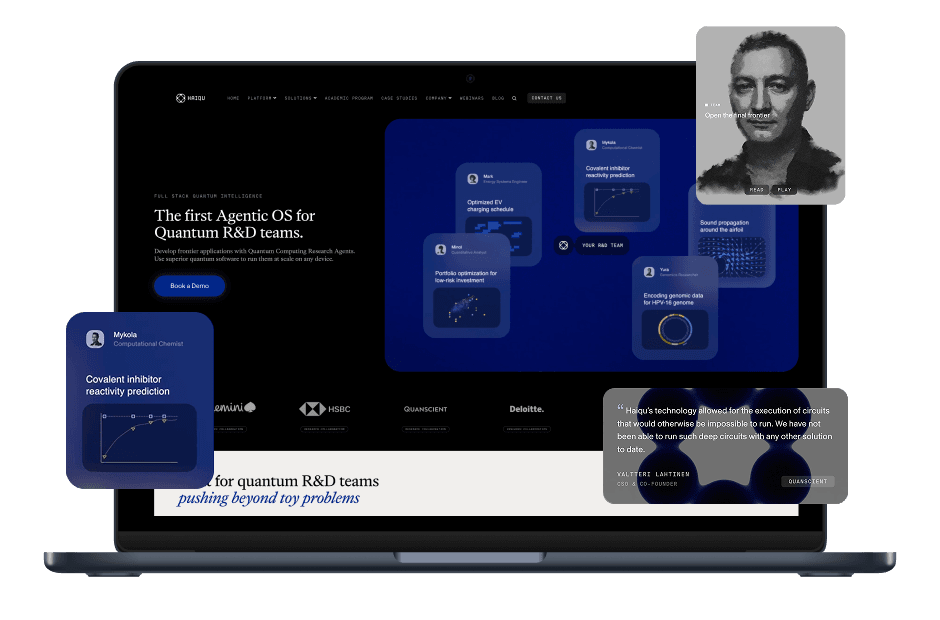
TechMagic built a full security program for Haiqu, a quantum computing platform, guiding it to ISO/IEC 27001 certification, validating it with CREST-accredited penetration testing, and hardening its cloud environment, all under one partnership.
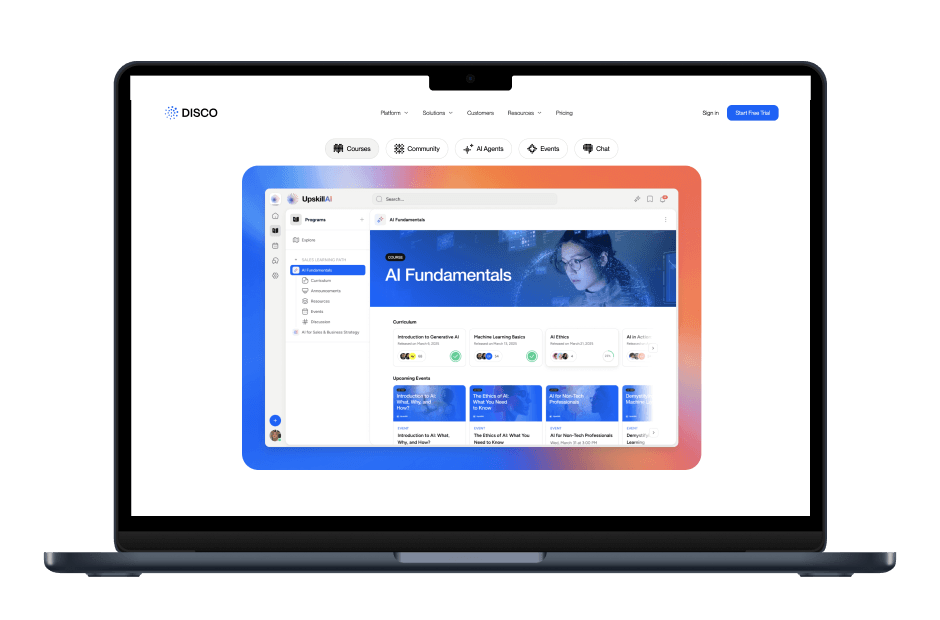
TechMagic helped Disco achieve FERPA compliance through a structured gap assessment, data privacy governance design, and an institution-ready documentation framework
TechMagic built a full security program for Haiqu, a quantum computing platform, guiding it to ISO/IEC 27001 certification, validating it with CREST-accredited penetration testing, and hardening its cloud environment, all under one partnership.
TechMagic helped Disco achieve FERPA compliance through a structured gap assessment, data privacy governance design, and an institution-ready documentation framework
Let’s safeguard your project

VP of business development

Trusted by:




FAQ
Security
19 min read
AI
Security
15 min read
Security
AI
14 min read

AI
Security

Security
12 min read
Security
15 min read
