
 Software Development
 Security Services
 Cloud Services
 AI Services
 Other Services















 TechMagic Academy


IoT Integration Services
TechMagic connects your device data and cloud backend to the CRM, ERP, and field-service tools you already run. That suits hardware vendors whose field teams still re-key readings by hand, and funded startups holding a product together with one-off integration scripts. Both get one working pipeline instead, built on the architecture already in place, AWS IoT Core included.
years on the market
happy clients
client NPS
certified experts
We're Trusted By



























The Challenges We Help You Solve
TechMagic solves the integration problems that stall connected products: device data your systems never see, brittle one-off scripts, no single source of truth, manual re-entry, delayed launches, and gaps in the audit trail.
Field technicians work from spreadsheets because device data sits in a portal nobody outside engineering opens. We connect device telemetry into the tools your team uses, so sensor data and service records live in one place.
A script written for one connection rarely survives the second, and each change breaks it again. We architect IoT integration services as reusable infrastructure, so connecting the next system becomes a configuration job rather than another rewrite.
When device status, service history, and customer records live in three disparate systems, nobody fully trusts any of them. We build one connected data flow, so every system reads the same record rather than its own version.
A technician retyping what the device already reported wastes time and creates errors. We wire device events into dispatch, task, and reporting workflows, and automate processes people run by hand today.
Integration is often the last blocker before go-live, and it usually shows up late. We scope and build the integration layer alongside the core product, so it ships with the rest of the release.
Data that crosses systems without a clear trail becomes a problem during audits. We design the integration with audit-ready logging from day one, and handle data security in the build rather than a later pass.
How TechMagic Applies AI Across Integration Work
TechMagic applies AI inside its own delivery, builds it into client systems under the same security rules as the rest of the integration, and leaves device data ready for the model that follows.
Where a client wants AI on device data, the model gets the same treatment as every other component: access control, credential handling, and audit logging. TechMagic holds CREST accreditation, and its security engineers hold the Certified AI/ML Pentester credential.
Integration produces the records a model needs: one meaning per field, a history with its source and timestamp, and a path that carries a prediction back into the CRM. Data encryption in transit and at rest is part of that build.
The Business Value of IoT Integration
Integration pays off in the work it removes. Vendors sell seamless integration and dashboards promise valuable insights, but IoT connectivity only produces actionable insights once two systems agree on what a record means.
Operations teams stop re-keying readings between tools, so errors and operational costs both drop. One pipeline that can streamline data flow serves dispatch, billing, and reporting at once, which is how teams improve operational efficiency.
Integration scoped from day one stops being the surprise that delays go-live. Your engineers keep building the product while ours connect it to the systems around it, so both land in the same release.
Adding the tenth device type or the third business system should not mean rebuilding the pipeline. Integration built as infrastructure absorbs new connections, holds system performance steady, and keeps operational visibility intact as volume grows.
Every transfer carries a record, so an auditor's question has an answer in minutes rather than a week. The same records feed the data analytics your team already runs, which means one pipeline serves both.
Service requests, technician dispatch, and warranty records connect to fleet telemetry for connected vehicles and rental assets. TechMagic builds this integration directly, because operators who remotely manage physical assets need remote management and the service record on one screen.
Task assignment, photo proof, location data, and audit trails connect to the systems crews use away from a desk. TechMagic builds this integration directly, covering inspections, maintenance tasks, and compliance checks that have to hold up under review.
CMMS and ERP workflows connect to equipment monitoring, so teams can predict maintenance before a unit fails. TechMagic can consult on this scope, and predictive maintenance only works when the history of each piece of industrial equipment arrives intact.
Service management and hospital-system workflows connect to connected medical equipment outside the highest regulatory class. TechMagic can consult on this scope, where device history, service records, and access rules have to line up between vendor and hospital.
Cloud sync, usage analytics, and remote control connect the device to the account and support systems behind it. TechMagic can consult on this scope, where the integration usually has to survive firmware updates it does not control.
Fire panels, building management system (BMS) data, security systems, and access control feed one view of a site. TechMagic can consult on this scope, where the hard part is reconciling equipment from different vendors into one record.
First, we map every system that has to exchange data with the device layer, then define what connected means here. You get a scope, a sequence, and a list of the data collection gaps that cause trouble later.
Next, we design the integration layer across AWS IoT and the target systems, then validate the data flow against one real system. You see a working connection before the rest is built, which beats a complete diagram.
Then, we build the integrations, the middleware, and the audit logging, with data encryption in transit and at rest handled inside the build. You get a result checked against your own reporting and compliance requirements before it goes live.
Once the integration is live, we watch it in production and extend it as new devices and business systems arrive. You get remote monitoring of the pipeline itself, which matters as much as remote monitoring of the devices on it.
The Stack We Integrate With
AWS IoT Core is the confirmed part of our IoT stack, and the rest is your side of the connection. We integrate the IoT platform you chose and work above the IoT protocols layer, so deep protocol engineering in operational technology environments sits outside our scope. - AWS IoT Core for device connectivity, device data ingestion, and remote device management across your connected devices, whatever mix of hardware is already in the field. - The CRM, ERP, and field-service tools you already run, kept as they are, plus custom APIs, middleware, and the data integration tools in your stack where no connector covers the gap. - Your cloud platforms and data storage, on whichever cloud computing provider you standardized on, so device data lands where data science and advanced analytics teams can reach it.



IoT Projects We Worked On
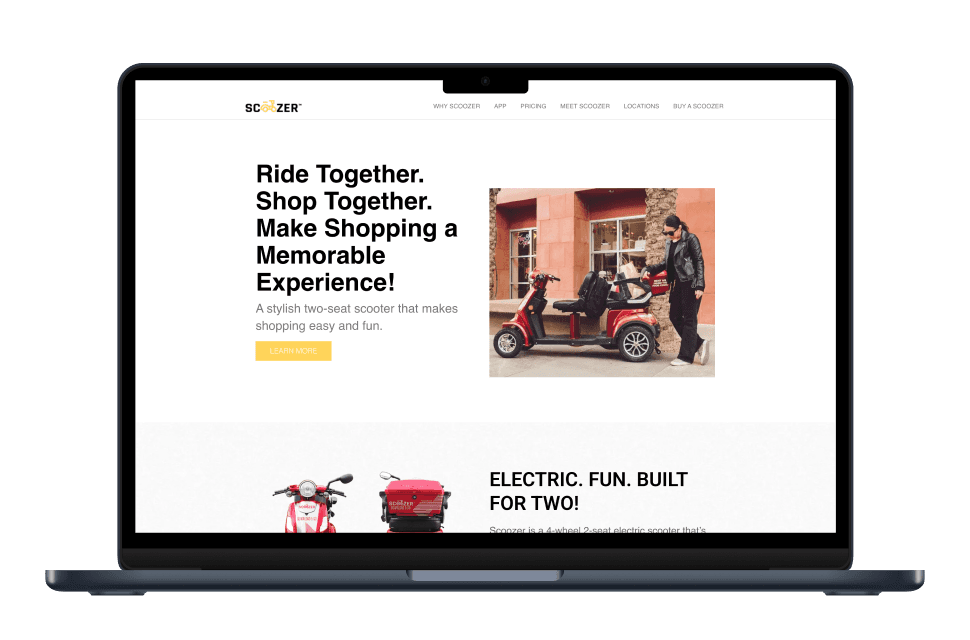
Our team built the iOS and Android apps powering Scoozer's rental flow: BLE scan-to-unlock, phone-as-key start and stop, and a return flow enforcing venue rules. The platform now runs live across multiple US mall locations, including Simon and Premium Outlets.
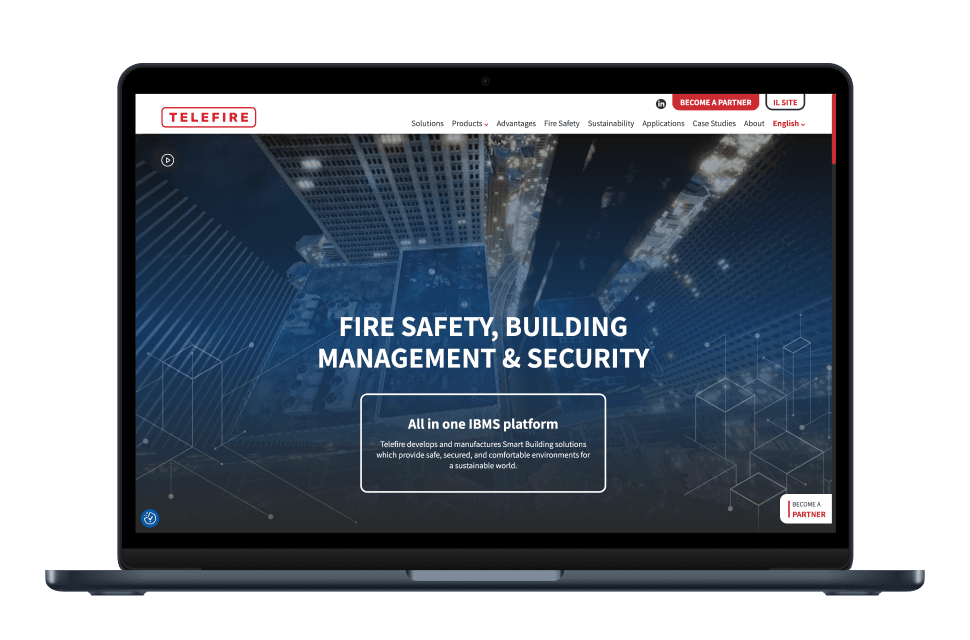
The connected fire-safety hub lets facility teams monitor the fire-alarm panel remotely. They can also control it from a mobile app. The app integrates with addressable detectors. It also connects to an open BMS platform. This is part of a certified manufacturer's shift toward unified smart-building technology.
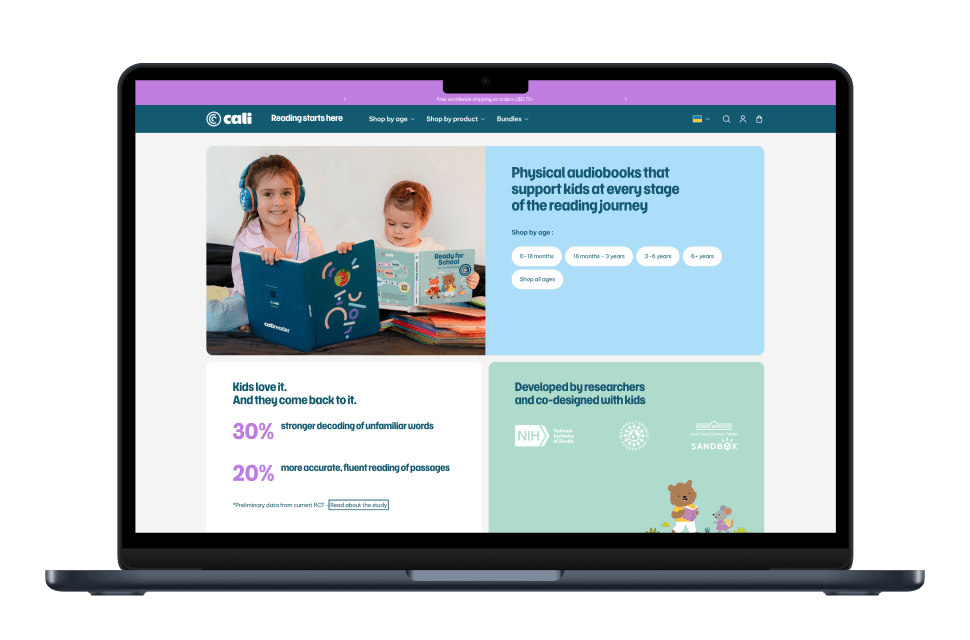
For this case, we leveraged IoT technology to create learning solutions for kids. The infinibook is a screen-free reading device. It pairs with a companion app for local and remote audio recording. Parents can swap in different story booklets. The app also includes Montessori-inspired games. Distant relatives can narrate stories remotely through the app. This helps children build early literacy skills without a screen.
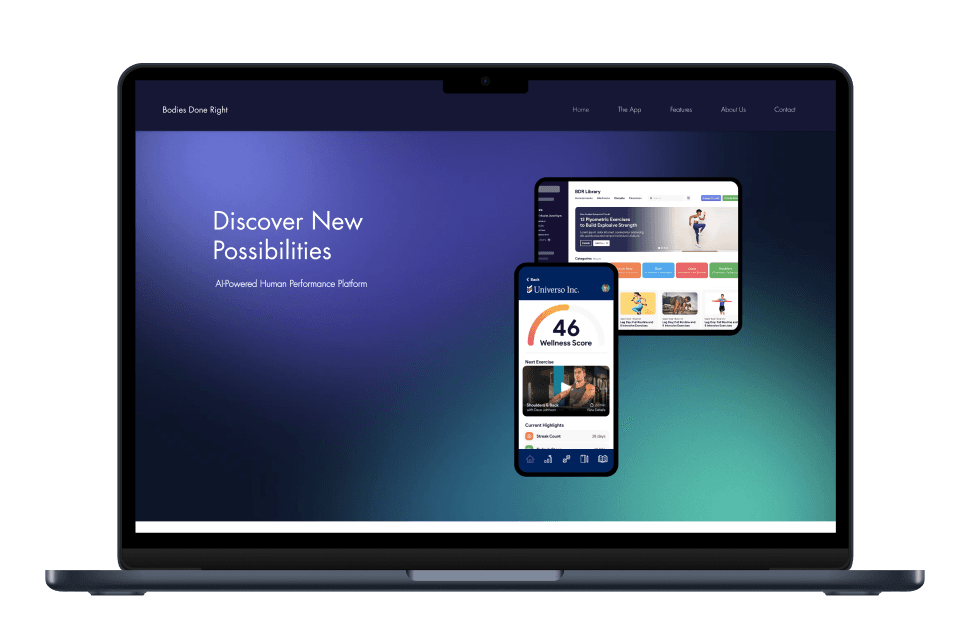
The app delivers a year-long AI-powered training program with guided workout animations for proper form, mood and heart-rate tracking for personalized insights, and integration with Garmin, SUUNTO, Motorola, and ANT+ devices for fitness, therapy, and rehab use cases.
Our team built the iOS and Android apps powering Scoozer's rental flow: BLE scan-to-unlock, phone-as-key start and stop, and a return flow enforcing venue rules. The platform now runs live across multiple US mall locations, including Simon and Premium Outlets.
The connected fire-safety hub lets facility teams monitor the fire-alarm panel remotely. They can also control it from a mobile app. The app integrates with addressable detectors. It also connects to an open BMS platform. This is part of a certified manufacturer's shift toward unified smart-building technology.
Why TechMagic
TechMagic builds on AWS and connects AWS IoT Core to the CRM, ERP, and field-service tools a client already runs. TechMagic's IoT developers work on the integration layer of IoT solutions that already exist. That is a narrower claim than general IoT development, and a more useful one.
001
/003
002
/003
003
/003
FAQs About IoT Integration
Let’s turn ideas into action

VP of business development

Trusted by: