







IoT Data Analytics Services
TechMagic’s IoT data analytics services convert device telemetry into dashboards, alerts, and predictive signals. The fleet already sends the data, so we make it readable and give the connected product the reporting layer it has been missing. It runs on the cloud data you collect today, inside your existing BI tools.
years on the market
happy clients
certified experts
client NPS
We're Trusted By




























The Challenges We Help You Solve
Connected products run into recurring problems: unused telemetry, late failures, unreadable dashboards, retrofitted audit trails, a pipeline that can’t keep up, and no numbers for leadership. Each one below comes with how TechMagic solves it.
Devices report status every few seconds, and most fleets are now sitting on months of history nobody has queried. We build dashboards and alerts from the data collected from your IoT devices, and the team checks them daily. Raw data that only costs storage today starts producing valuable insights.
Reactive support always costs more than an early signal. We build predictive analytics on your historical telemetry, so anomaly detection flags a failing unit while it is still running. Asset maintenance then moves to a schedule, and the saving sits in the field visit that never has to happen.
A screen only an engineer can read changes nothing about how the business runs. We design each view around its reader, whether that is operations, compliance, or leadership, and around the decision that person has to make. Visualization tools matter less than getting that right.
Retrofitting a trail before an assessment is slow, expensive, and easy to get wrong. We build audit-ready reporting into the pipeline from the first release, capturing access management and operational data as events happen. Your assessor sees a record that was designed, and the same logging shortens internal investigations.
An ingestion path that worked at 100 devices falls over at 10,000, usually on the day a launch doubles the fleet. We architect ingestion on AWS IoT to carry real time data streams at production volume, buffering streaming data and replaying it when a device or region drops out. Scale is far cheaper to design for than to retrofit.
Progress is hard to argue without figures, and hand-assembled spreadsheets rarely survive a board meeting. We build reporting that gives leadership the metrics it asks for, drawn from the same business data everyone else reads. Data driven decisions get easier once everyone reads the same numbers, and board reporting takes an hour instead of a week.
IoT Analytics Services We Provide
TechMagic’s IoT analytics services cover the layer between device telemetry and the decisions that depend on it: ingestion, dashboards, prediction, visualization, architecture, integration, and compliance reporting. The work runs on top of devices already in the field.
IoT Cases TechMagic Worked On
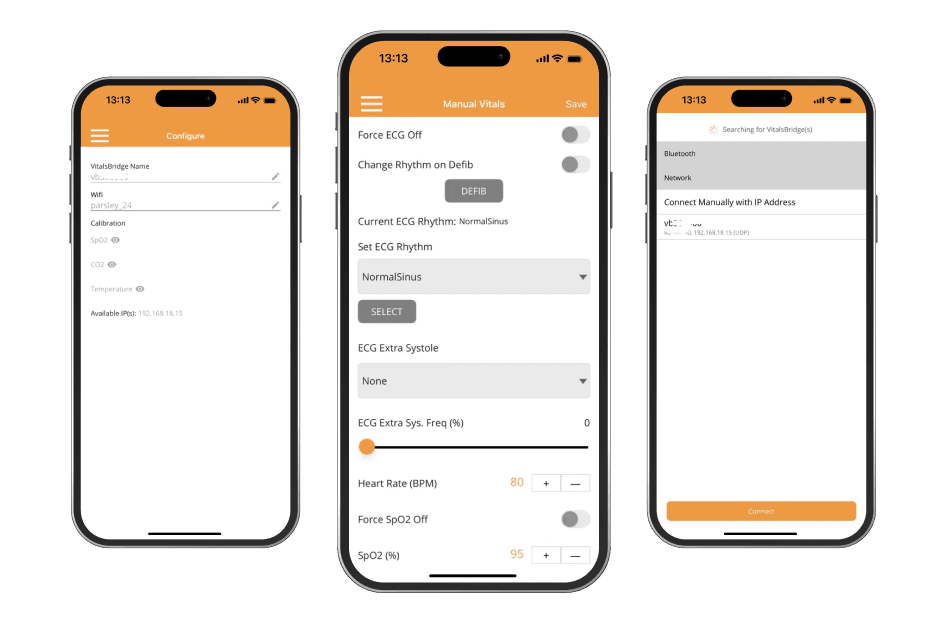
We built VitalsBridge's Android and iOS apps, migrated the embedded stack from Windows IoT Core to Linux, and moved device communication from Bluetooth Classic to BLE, improving reliability. The product was later acquired by Laerdal Medical in March 2026.
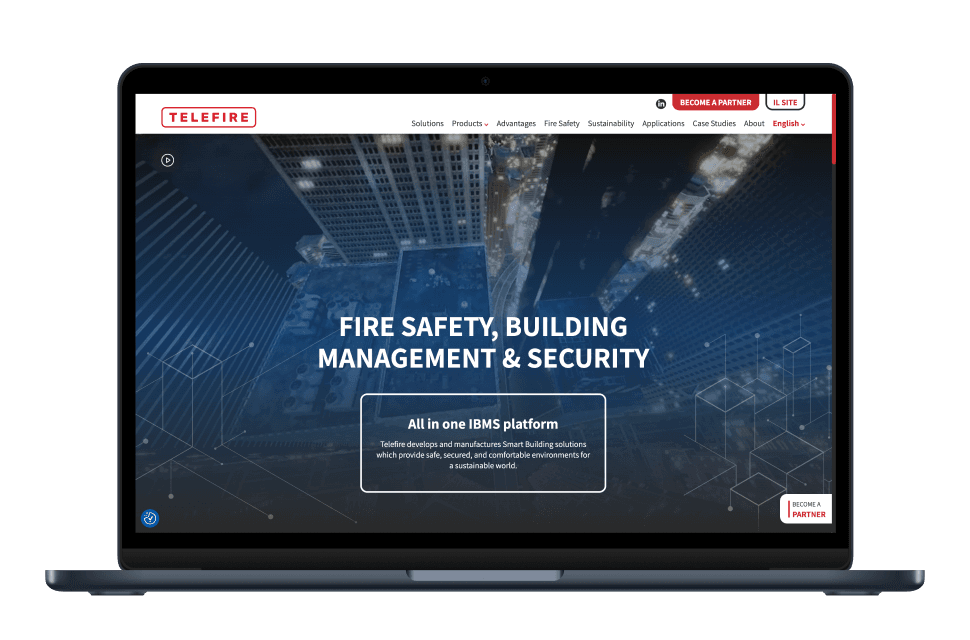
The connected fire-safety hub lets facility teams monitor the fire-alarm panel remotely. They can also control it from a mobile app. The app integrates with addressable detectors. It also connects to an open BMS platform. This is part of a certified manufacturer's shift toward unified smart-building technology.
The app delivers a year-long AI-powered training program with guided workout animations for proper form, mood and heart-rate tracking for personalized insights, and integration with Garmin, SUUNTO, Motorola, and ANT+ devices for fitness, therapy, and rehab use cases.
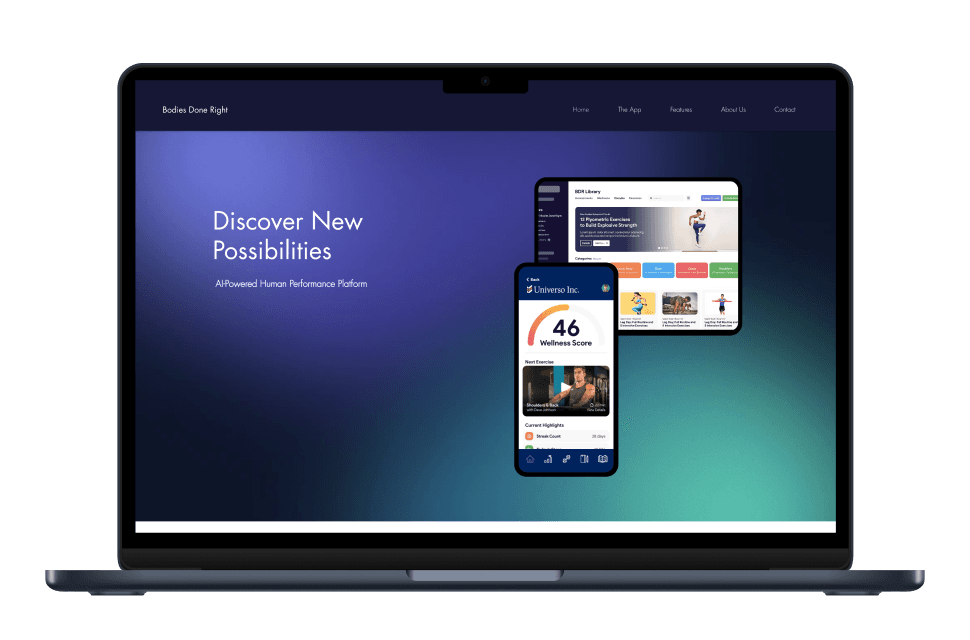
For this case, we leveraged IoT technology to create learning solutions for kids. The infinibook is a screen-free reading device. It pairs with a companion app for local and remote audio recording. Parents can swap in different story booklets. The app also includes Montessori-inspired games. Distant relatives can narrate stories remotely through the app. This helps children build early literacy skills without a screen.
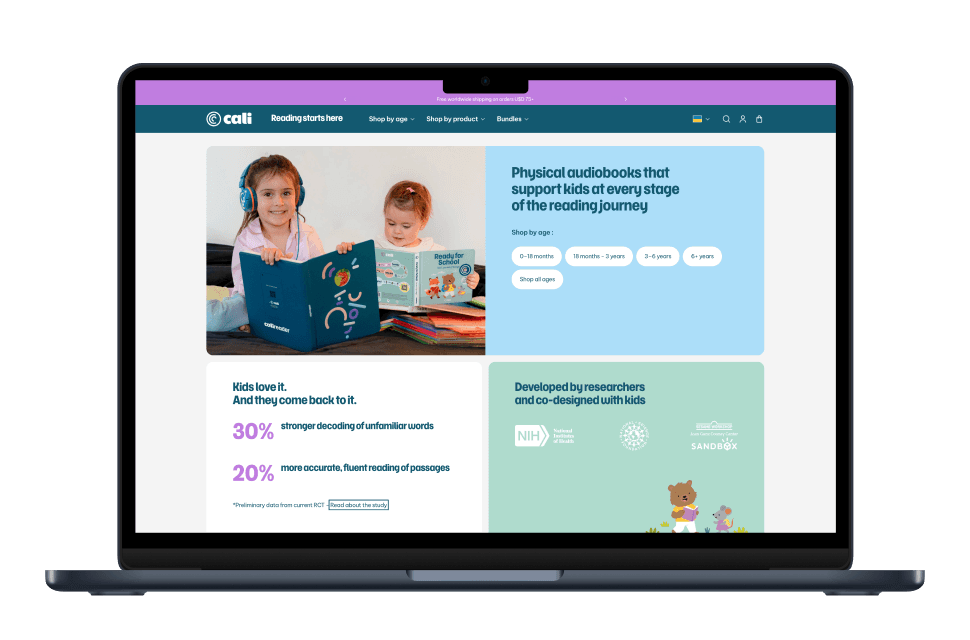
Our team built the iOS and Android apps powering Scoozer's rental flow: BLE scan-to-unlock, phone-as-key start and stop, and a return flow enforcing venue rules. The platform now runs live across multiple US mall locations, including Simon and Premium Outlets.
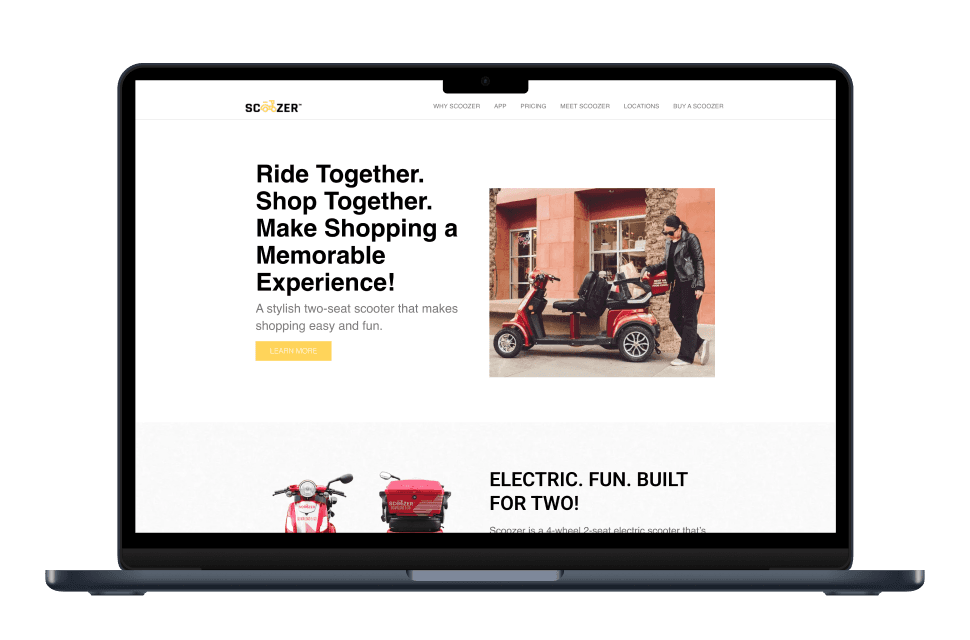
We built VitalsBridge's Android and iOS apps, migrated the embedded stack from Windows IoT Core to Linux, and moved device communication from Bluetooth Classic to BLE, improving reliability. The product was later acquired by Laerdal Medical in March 2026.
The connected fire-safety hub lets facility teams monitor the fire-alarm panel remotely. They can also control it from a mobile app. The app integrates with addressable detectors. It also connects to an open BMS platform. This is part of a certified manufacturer's shift toward unified smart-building technology.
AI-Ready Analytics, Backed by Real Security Expertise
Every pipeline we build produces clean, structured telemetry a machine learning model can train on later, and security comes first whenever AI is added.







The Business Value of IoT Data Analytics
Analytics changes which decisions are possible today, how early problems surface, how much manual reporting work disappears, and what the data is worth commercially.
Device data stops being an archive and becomes an input to daily work. Operations sees which units need attention, support sees context before a call, and leadership sees the fleet in one place. Fewer blind visits and shorter investigations give reduced operational costs, and operational efficiency shows up in how many people one problem pulls in. The change appears in ticket volume within the first month.
An early signal means scheduled work instead of an emergency callout, and that is where field operations get expensive. Predicting future events is never certain, so we design alerts around confidence and the cost of being wrong. Customer satisfaction rises when a unit is serviced before anyone notices a fault.
Ad hoc scripts and manual exports break quietly, usually in the week someone is on leave. A single governed pipeline gives one place to fix, one definition per metric, and one set of permissions, so the insights gained stay consistent across every report. Engineering time goes back into the product, and audit questions get answered from the pipeline rather than from someone’s memory.
Once the fleet’s behavior is visible, product and commercial teams can see its true value. Understanding usage patterns supports personalized services, tiered plans, and new revenue streams that were guesswork before. The same data also shows market trends across customer segments, and new business models usually start as a question it can finally answer.
Customer Stories & Clutch Reviews

CEO, Bamboo

TechMagic supports ongoing development and DevOps for an investment platform, ensuring stable feature delivery. "We were impressed with their Strang System, team management processes, and overall composition."

CEO, Innovations Now
They’re very thorough, and that’s part of their DNA.
Founder, Taggis
TechMagic is different because they’re eager to make sure that we’re content with their services. They’ve even come to check-in with our team in Sweden a few times. We’re very close in terms of our business relationship. I would also like to add that their pricing level is good, and they always respond quickly.
Co-Founder & CTO, Governance.com
They worked very quickly. Within a week, they delivered visuals that I wasn’t expecting for several more weeks.
CTO, engin sciences
"TechMagic is very good at picking up what needs to be done to move the project forward."
COO, PeerPilot
They did an impressive job of understanding where we wanted to go without us having to explain it explicitly.
We start by auditing what the fleet already sends, how you process data today, and which questions nobody can answer yet. Together we define what usable data means here, then scope the pipeline and the reporting around it. Where no IoT strategy exists yet, the priorities get set at this stage. You leave discovery with a scope, a sequence, and a cost estimate.
Next, we design the ingestion and analytics architecture on AWS IoT and test it against real device data. A prototype here is cheap, and it exposes wrong assumptions about data sources and volume while they still cost days. Descriptive analytics ship first, because they are the fastest way to show the data is trustworthy. One real dashboard also settles arguments that a specification can’t.
Then, the pipeline, dashboards, and tool connections get built in the same sprints. Diagnostic analytics follow the descriptive layer, so the team can analyze data and identify trends instead of only reading totals. We check output against your compliance and reporting requirements as the work goes. Every connection ships behind a flag, so nothing reaches production untested.
Finally, we monitor the pipeline and scale the architecture as device count and data generated keep climbing. Analytics results shift once real usage arrives, so most alert thresholds get corrected in the first months after launch. We stay through that period instead of handing over a dashboard and leaving. Storage and query costs get reviewed here too, since both follow the fleet.
Tools and Tech Stack
Every IoT solution we build has an ingestion layer, a storage layer, and a reporting layer. These are the technologies behind our IoT services: - AWS IoT Core for ingestion and device management: registry, secure transport, and the pipelines that carry telemetry into storage. - The data stack you already run for storage and modeling: we build into your existing warehouse rather than adding a new platform. - Your existing BI and reporting tools for the presentation layer, extended with custom views where an off-the-shelf screen stops short. - External data sources for context the devices do not measure: the same pipeline can carry weather data for fleet routing or utilization benchmarks across sites, with the right third-party platform chosen in discovery.
What the Customer Says About Working With Us

Axel Vanraes — tech co-founder at Tiro.health



Samar Birwadker highlights TechMagic’s reliability and wide expertise in working on complex AI-native products.


Adrian King highlights TechMagic's team dedication and the strong early user enthusiasm for the product we're building together.


Senior engineers work across ingestion, modeling, and reporting, coordinated as one team with one backlog. Requirements change once the first dashboard goes live, so we ship in increments and adjust against what people actually use. Scope moves up or down as the fleet and the business objectives change. You keep the same engineers across those changes, so context is not lost between releases.
We name the stack rather than the category: AWS IoT Core for ingestion, your warehouse for storage, your BI layer for presentation. That specificity is what lets a technical buyer check our reasoning before the contract is signed. Pipeline engineering is the part that decides whether analytics still works at fleet scale. It is also the part most teams underestimate when they scope the work internally.
Our pentesting practice holds CREST accreditation, and our engineering aligns with ISO 27001 and SOC 2 practices. On a telemetry pipeline that means encryption in transit and at rest, scoped access, and retention rules set in the design. These standards enable organizations in regulated sectors to adopt the pipeline without a second review. Security review happens alongside the build rather than after it.
FAQ
Let’s turn ideas into action

VP of business development

Trusted by: